Lipstick Rose vs Musc Ravageur
Side by side. Scored honestly.
← Compare different fragrances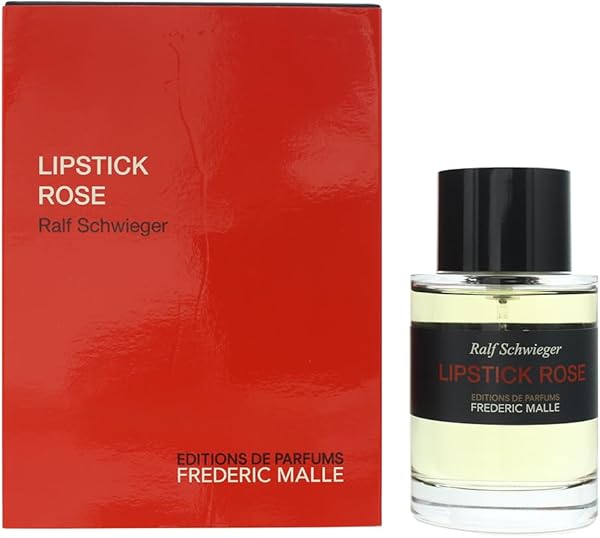
Side by side
Comparing the originals — price, breadth, listed-note depth.
Opens with a burst of raspberry and violet that reads immediately cosmetic — powdery, waxy, deliberately retro. The rose and iris lock in quickly at the heart, amplifying that lipstick-counter accord until it's almost tactile. Vanilla and musk pull it warm on the dry-down without ever going gourmand; the powder just deepens. Projection stays close to skin, sillage is soft and intimate rather than declarative. It wears like a memory of something glamorous — Best on warm skin in spring or summer, for anyone who leans into feminine nostalgia without apology.
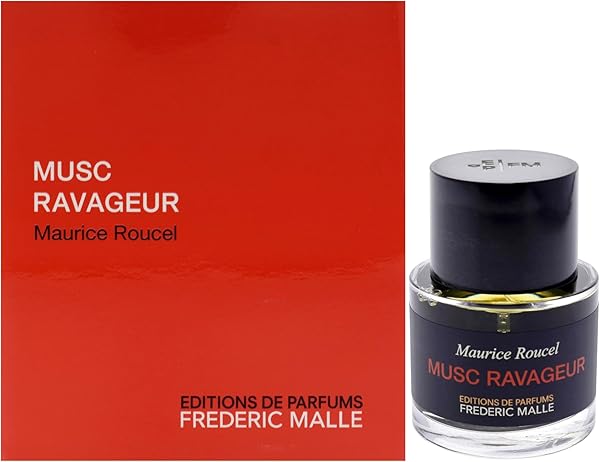
Bergamot and lavender open clean and brief before cinnamon and cloves take over, pushing the fragrance into warm, spiced territory within minutes. The heart is dense — tonka and vanilla anchor the musk into something skin-close and almost edible, with sandalwood smoothing the spice into leather-adjacent softness. Dry-down projection is moderate but the sillage lingers long, leaving a trail of sweetened musk that reads intimate rather than loud. Richer than it first suggests, it rewards close contact more than distance — cold-weather evenings, confident wearers who want something that smells like skin, only better.
How they overlap
Lipstick Rose and Musc Ravageur share 2 notes (vanilla, musk). The same note name doesn't always mean the same scent — different houses use different vanillas, different woods, different musks — but a multi-note shared spine usually does indicate genuinely-comparable wear character. The remaining notes (4 unique to Lipstick Rose, 6 unique to Musc Ravageur) are where the divergence happens.
The buying decision
Musc Ravageur is the cheaper original at $280 compared to $310 for Lipstick Rose — about 10% less. Lipstick Rose is built for spring/summer; Musc Ravageur for fall/winter. Pick by when you'd actually wear it.