Bloom vs Envy
Side by side. Scored honestly.
← Compare different fragrances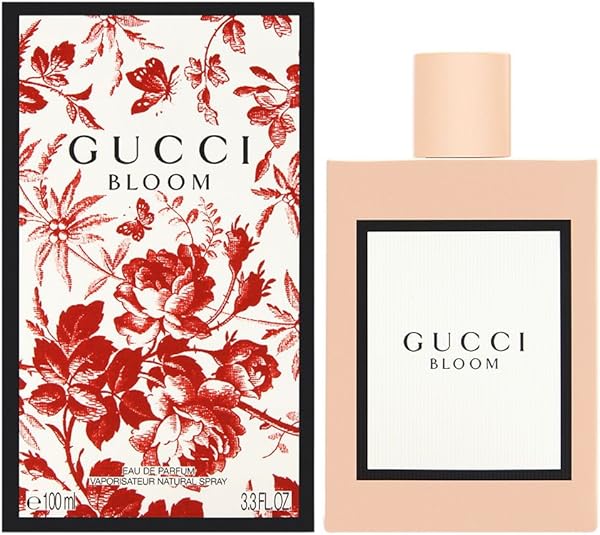
Side by side
Comparing the originals — price, breadth, listed-note depth.
Opens with a dense, almost powdery jasmine that leans creamy rather than green, then tuberose and rangoon creeper push it into full white-floral territory — heady but not sharp. Orris anchors the heart with a soft, rooty warmth that prevents it from going soapy, while honeysuckle adds a faintly nectar-sweet lift. Projection stays moderate; this is a close-to-skin floral, not a room-filler. The musk dry-down is clean and skin-like, elongating the bloom without changing its character — Spring and summer days, office-appropriate, best suited to someone who wants a polished white-floral without any green or fruity detours.
Opens with a bright, slightly tart green mandarin that gives the whole thing an airy, almost crisp quality before tuberose and lily of the valley push through — clean white florals rather than heady or indolic. Heliotrope adds a soft powdery warmth in the heart, keeping it from going sharp. The dry-down settles into sandalwood and musk, creamy but lightweight, never heavy. Projection is moderate; sillage is polished and close-wearing rather than room-filling — a well-behaved floral that doesn't overstay. — Spring and early summer, office-appropriate, best for someone who wants florals with a fresh edge over sweetness.
How they overlap
Bloom and Envy share 2 notes (tuberose, musk). The same note name doesn't always mean the same scent — different houses use different vanillas, different woods, different musks — but a multi-note shared spine usually does indicate genuinely-comparable wear character. The remaining notes (4 unique to Bloom, 4 unique to Envy) are where the divergence happens.
The buying decision
Envy is the cheaper original at $78 compared to $179 for Bloom — about 56% less. Both wear best across the same spring/summer — they're interchangeable on weather fit.
Recommendation
If you're price-sensitive, Envy delivers comparable territory at $101 less than Bloom. If you want the specific character of Bloom — the prose above is the better guide than the price — the premium is what you're paying for.
Free: The 30 Best-Tested Dupes Under $40
A community-scored cheat sheet you can download now — 30 designer scents matched for under $40, ranked by accuracy and longevity.