Ultra Male vs Le Male Essence de Parfum
Side by side. Scored honestly.
← Compare different fragrances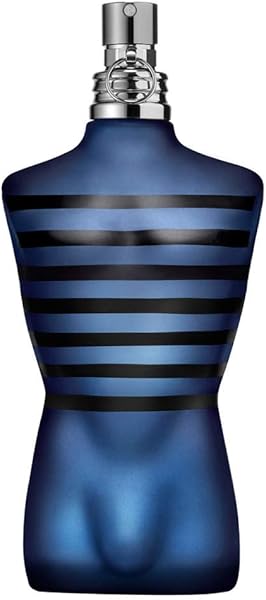
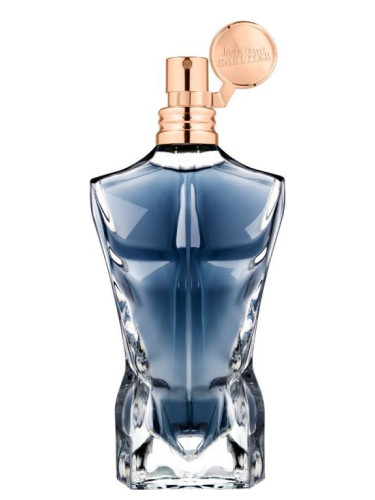
Side by side
Comparing the originals — price, breadth, listed-note depth.
Bergamot and cardamom open with a sharp, almost edible brightness before the heart pivots into thick, sweetened vanilla wrapped around tonka bean — a gourmand accord that reads more candy-sweet than sophisticated. Patchouli and cedarwood keep it from collapsing entirely into dessert territory, adding a woody undercurrent that carries through the dry-down alongside amber and musk. Projection is aggressive early on; sillage is dense and long-lasting, leaving a warm, powdery-sweet cloud that announces arrival before you do — Fall and winter nights out, built for someone who wants to be noticed from across the room.
Lavender and mint hit first in the opening — sharp, almost medicinal, but quickly pulled into line by warm bergamot. The heart softens fast: tonka bean and vanilla build a dense, slightly sweet core that reads more sophisticated than sugary. Sandalwood and amber anchor the dry-down into something skin-close and genuinely warm. Projection is moderate but confident; sillage lingers as a smooth, woody-sweet trail rather than a blast. A cold-weather skin scent that rewards proximity — best worn on dates or evenings when you want to smell deliberately chosen.
How they overlap
Ultra Male and Le Male Essence de Parfum share 5 notes (lavender, mint, bergamot, vanilla, and others). The same note name doesn't always mean the same scent — different houses use different vanillas, different woods, different musks — but a multi-note shared spine usually does indicate genuinely-comparable wear character. The remaining notes (4 unique to Ultra Male, 2 unique to Le Male Essence de Parfum) are where the divergence happens.
The buying decision
Ultra Male is the cheaper original at $98 compared to $120 for Le Male Essence de Parfum — about 18% less. Both wear best across the same fall/winter — they're interchangeable on weather fit.
Free: The 30 Best-Tested Dupes Under $40
A community-scored cheat sheet you can download now — 30 designer scents matched for under $40, ranked by accuracy and longevity.