Lime Basil & Mandarin vs English Pear & Freesia
Side by side. Scored honestly.
← Compare different fragrances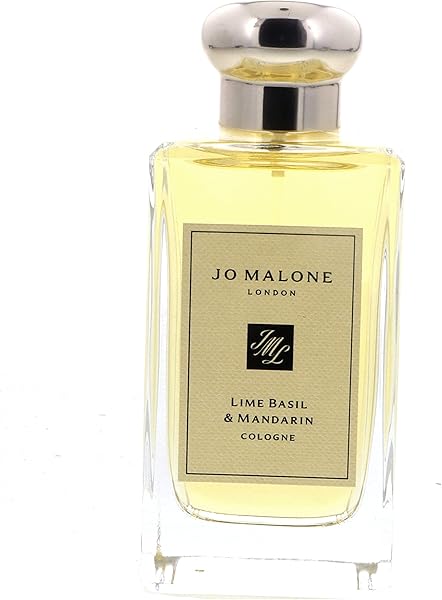
Side by side
Comparing the originals — price, breadth, listed-note depth.
Sharp lime and mandarin hit first — bright, almost tart, with a clean citrus snap that doesn't linger long. Basil and white thyme move in quickly, adding an herbal, slightly savory edge that keeps it from reading as a simple citrus splash. The dry-down settles into a subtle vetiver and patchouli base that grounds everything with quiet earthiness without ever going dark or heavy. Projection stays moderate; sillage is polite, skin-close by mid-afternoon — a fragrance that works without announcing itself — Perfect for warm-weather workdays or anyone who wants something effortlessly clean with a culinary twist.
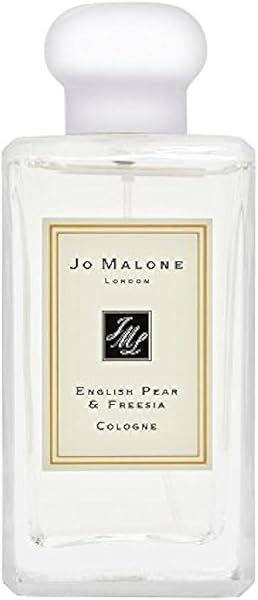
Crisp, dewy pear dominates the opening — bright but not candy-sweet, more like biting into cold fruit than smelling a candle. Freesia and white rose lift the heart into a soft, clean floral that reads feminine without being heavy, while melon keeps the whole thing light and slightly aqueous. Patchouli and musk in the dry-down are genuinely subtle, adding just enough warmth to anchor what would otherwise float away entirely. Projection is polite; sillage stays close to the skin by hour two — a well-behaved fragrance that doesn't announce itself across a room. — Made for warm-weather days, office wear, or anyone who wants something easy, pretty, and quietly elegant.
How they overlap
Lime Basil & Mandarin and English Pear & Freesia share exactly one note (patchouli). The overlap is real but narrow — most of the wear experience will diverge.
The buying decision
Lime Basil & Mandarin is the cheaper original at $150 compared to $160 for English Pear & Freesia — about 6% less. English Pear & Freesia covers 3 seasons (spring, summer, fall) — wider weather range than Lime Basil & Mandarin, which leans spring/summer-only.