Déjà Vu White Flower | 57 vs Lovefest Burning Cherry | 48
Side by side. Scored honestly.
← Compare different fragrances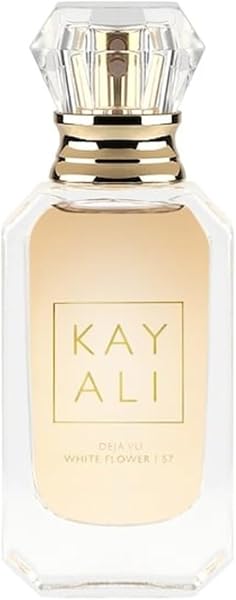

Side by side
Comparing the originals — price, breadth, listed-note depth.
Tuberose leads the opening with real presence — creamy and slightly indolic, quickly joined by jasmine and orange blossom to build a classic white floral heart that leans lush rather than soapy. Ylang-ylang adds a faint rubbery sweetness without dominating. The dry-down is where it softens considerably: sandalwood and heliotrope pull it powdery and warm, with vanilla rounding the base into something skin-close and cozy. Projection is moderate, sillage polite rather than expansive — a fragrance that stays in your orbit without announcing itself across a room — A warm-weather staple for anyone who wants polished femininity without going heavy.
Opens with a sharp, almost medicinal black cherry shot, bergamot pulling it just bright enough to keep it from going full candy. The heart softens considerably as rose damascena and jasmine sambac warm the cherry into something more rounded and skin-close, with raspberry adding a diffuse juicy backdrop rather than a distinct note. The dry-down is where the "burning" earns its name — a low smoky undercurrent settles beneath the florals, giving the sweetness real edge. Projection is moderate, sillage intimate but persistent. — Dark autumn evenings, date-night wear, suited to anyone who wants sweetness with actual teeth.
How they overlap
Déjà Vu White Flower | 57 and Lovefest Burning Cherry | 48 share exactly one note (jasmine). The overlap is real but narrow — most of the wear experience will diverge.
The buying decision
Déjà Vu White Flower | 57 is the cheaper original at $116 compared to $559 for Lovefest Burning Cherry | 48 — about 79% less.
Recommendation
If you're price-sensitive, Déjà Vu White Flower | 57 delivers comparable territory at $443 less than Lovefest Burning Cherry | 48. If you want the specific character of Lovefest Burning Cherry | 48 — the prose above is the better guide than the price — the premium is what you're paying for.