Good Girl Gone Bad vs Black Phantom
Side by side. Scored honestly.
← Compare different fragrances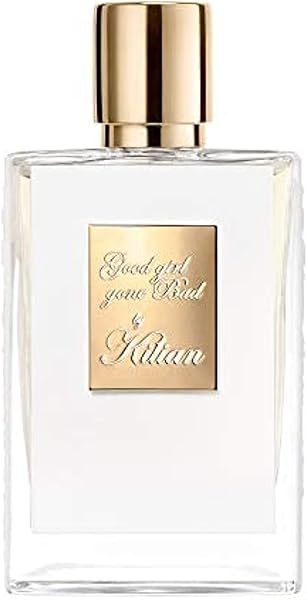

Side by side
Comparing the originals — price, breadth, listed-note depth.
Almond and ylang crash the opening together — sweet, almost edible, with a faint rubbery richness that softens quickly once the jasmine and rose take over the heart. The floral core is lush but not powdery, sitting closer to fresh-cut than soapy, kept interesting by the ylang's slight spice underneath. Amber pulls it into a warm, skin-close dry-down that's more comfort than drama. Projection is confident without being aggressive; sillage is a consistent, intimate trail. — Best worn spring through fall by anyone who wants a crowd-pleasing floral with enough sweetness to feel indulgent without tipping into dessert.
Opens with a dark, bitter coffee hit cut through with rum's boozy sweetness, then quickly settles into its real identity: a dense, almost edible heart of roasted almond and dark chocolate wrapped in sugarcane warmth. The vanilla anchors the dry-down into something smooth and skin-close, but never light — the rum and coffee keep it from tipping into candy. Projection is confident without demanding attention; sillage lingers as a warm, slightly boozy cocoa trail. — Late-night fall and winter wear for anyone who wants to smell expensive and indulgent without screaming for the room.
How they overlap
Good Girl Gone Bad and Black Phantom share exactly one note (almond). The overlap is real but narrow — most of the wear experience will diverge.
The buying decision
Original-bottle pricing is essentially identical ($295 vs $295), so the choice rarely comes down to upfront cost. Good Girl Gone Bad is built for spring/summer/fall; Black Phantom for fall/winter. Pick by when you'd actually wear it.
Free: The 30 Best-Tested Dupes Under $40
A community-scored cheat sheet you can download now — 30 designer scents matched for under $40, ranked by accuracy and longevity.