Musc 25 vs Santal 33
Side by side. Scored honestly.
← Compare different fragrances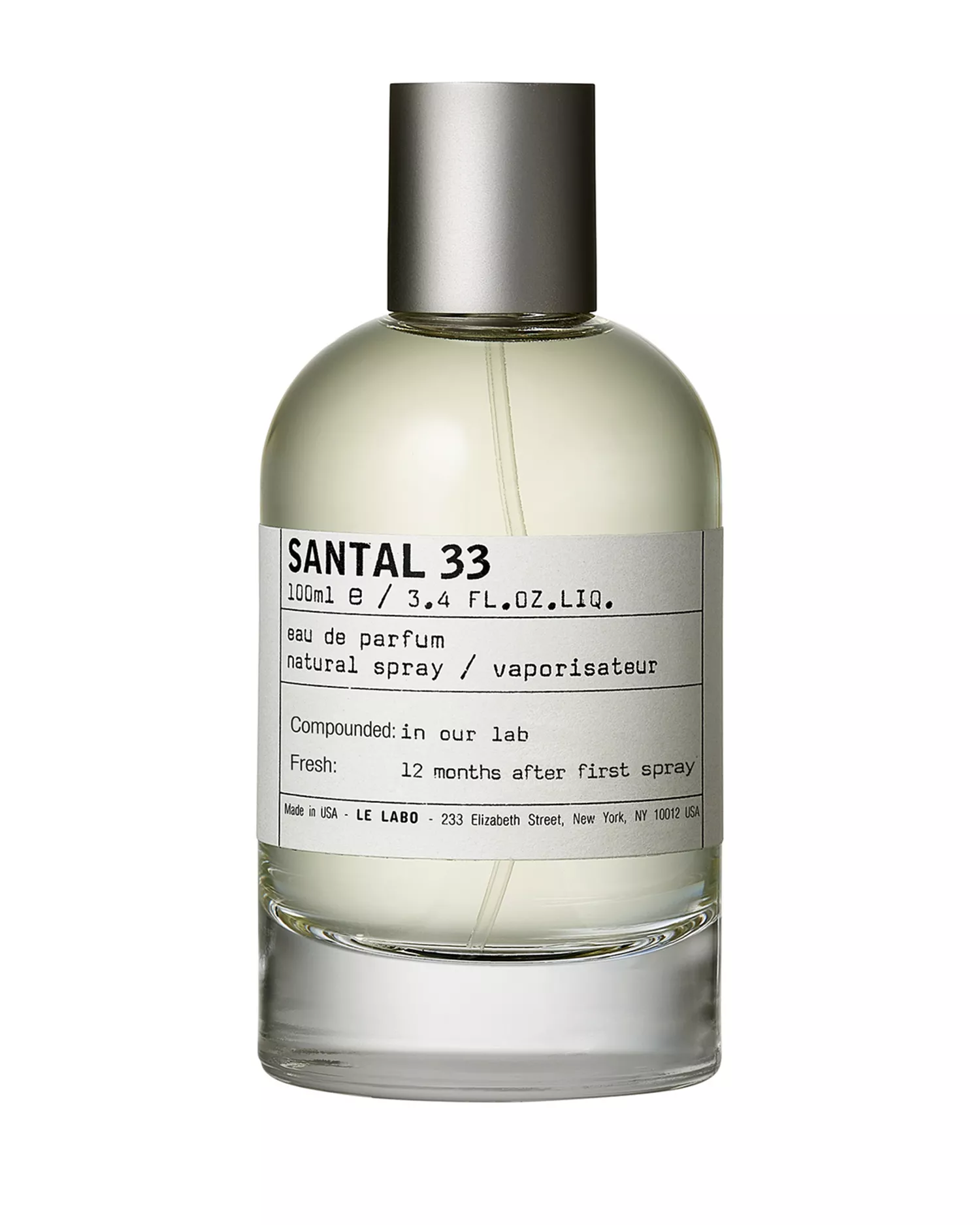
Side by side
Comparing the originals — price, breadth, listed-note depth.
Opens with a powdery, slightly vegetal iris that softens quickly as the ambrette — a musky seed with a faintly nutty, skin-like quality — takes over the heart. White flowers add a clean, airy lift without going soapy. The dry-down is the main event: warm sandalwood and musk settle into something that reads less like perfume and more like idealized skin. Projection stays intimate; sillage is a close, trailing whisper that lasts well into the day — best worn in warmer months by anyone who wants to smell effortlessly, quietly present.
Cardamom and violet open with a cool, almost smoky spice before sandalwood and cedar move in and take over the heart — smooth, dry, slightly milky wood with an iris edge that adds a powdery chalk note without going feminine. Leather stays low and clean throughout, never harsh, grounding everything into a skin-close dry-down that projects modestly but leaves a persistent, intimate sillage. It wears like worn wood and clean skin, not loud but oddly hard to ignore — fall and winter, for anyone who wants a unisex signature that reads as effortlessly considered.
How they overlap
Musc 25 and Santal 33 share 2 notes (iris, sandalwood). The same note name doesn't always mean the same scent — different houses use different vanillas, different woods, different musks — but a multi-note shared spine usually does indicate genuinely-comparable wear character. The remaining notes (3 unique to Musc 25, 4 unique to Santal 33) are where the divergence happens.
The buying decision
Musc 25 is the cheaper original at $198 compared to $245 for Santal 33 — about 19% less. Musc 25 is built for spring/summer; Santal 33 for fall/winter. Pick by when you'd actually wear it.