Thé Noir 29 vs Vetiver 46
Side by side. Scored honestly.
← Compare different fragrances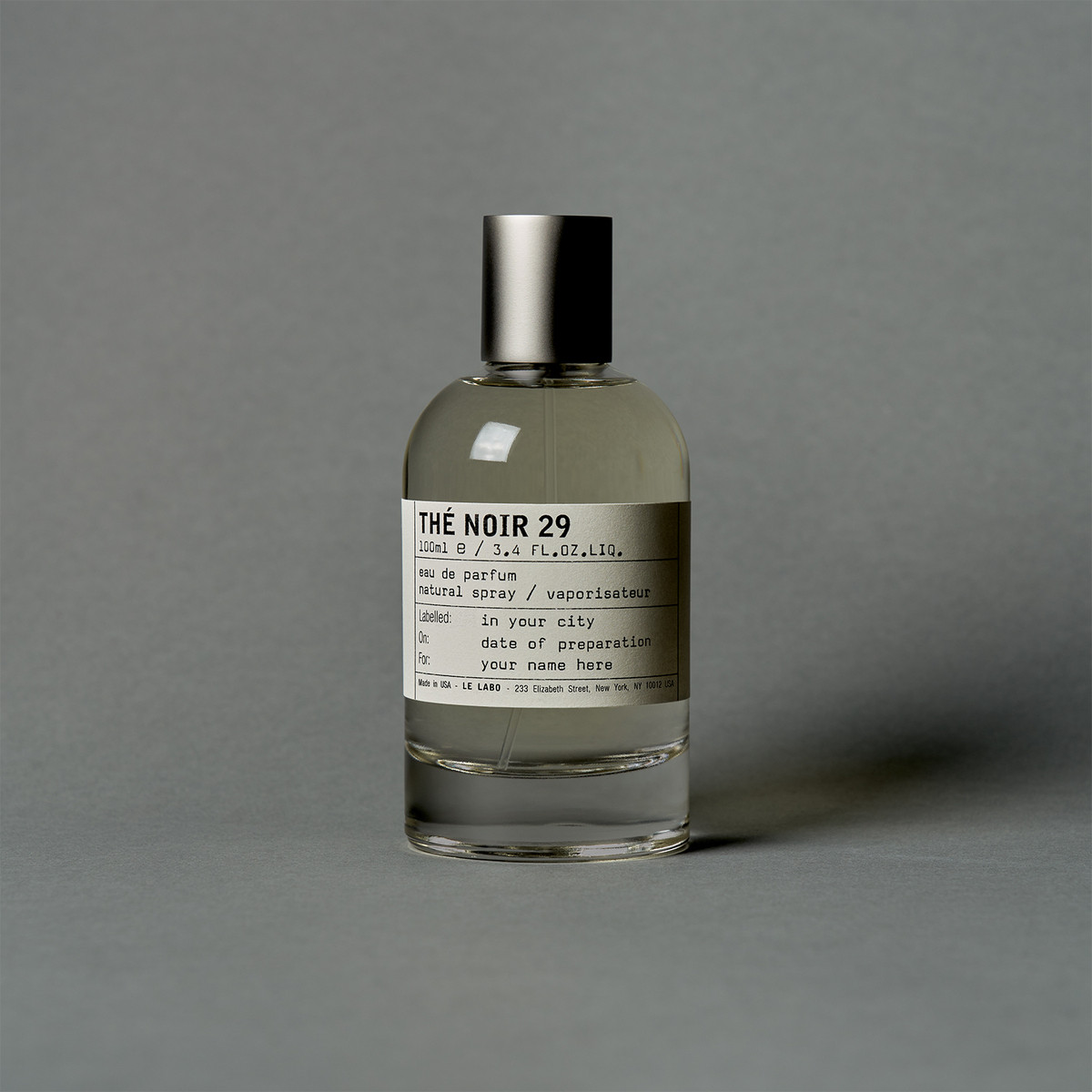
Side by side
Comparing the originals — price, breadth, listed-note depth.
Opens with a smoky, almost medicinal bay leaf sharpness cut through by cool cedar and a faint sweetness from fig — not fruity, more like dried fig skin. The heart settles into a dry hay-and-tobacco accord that reads like an old library or cured leather: dark, quiet, vaguely sweet. Projection is intimate from the start; this wears close to the skin with soft sillage that lingers in the dry-down as warm cedar smoke. — Best in late fall and winter, ideal for anyone who wants a sophisticated, low-key darkness without announcing themselves.
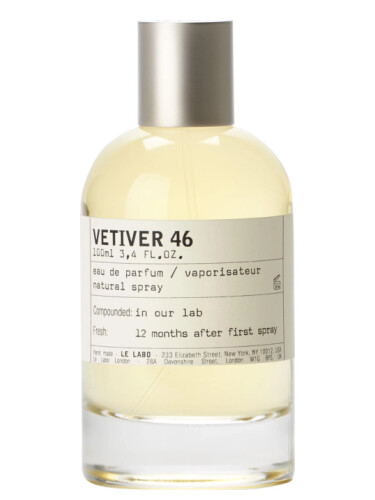
Opens with a sharp, slightly bitter grapefruit cut through with cracked pepper before the vetiver takes full control — earthy, smoky, and rooty without tipping into dirt. The heart is where iso e super does its work, lending that characteristic woody-abstract hum that makes the vetiver feel polished rather than raw. Cedar and sandalwood tighten the structure in the dry-down, while musk and ambergris soften the edges into something skin-close and quietly animalic. Moderate projection, long-wearing sillage that stays intimate — a fragrance that rewards closeness. — Best for cooler months; ideal for someone who wants vetiver done with intention and restraint, not spectacle.
How they overlap
Thé Noir 29 and Vetiver 46 share exactly one note (cedar). The overlap is real but narrow — most of the wear experience will diverge.
The buying decision
Thé Noir 29 is the cheaper original at $245 compared to $265 for Vetiver 46 — about 8% less. Vetiver 46 covers 3 seasons (spring, fall, winter) — wider weather range than Thé Noir 29, which leans fall/winter-only.