Ylang 49 vs Santal 33
Side by side. Scored honestly.
← Compare different fragrances
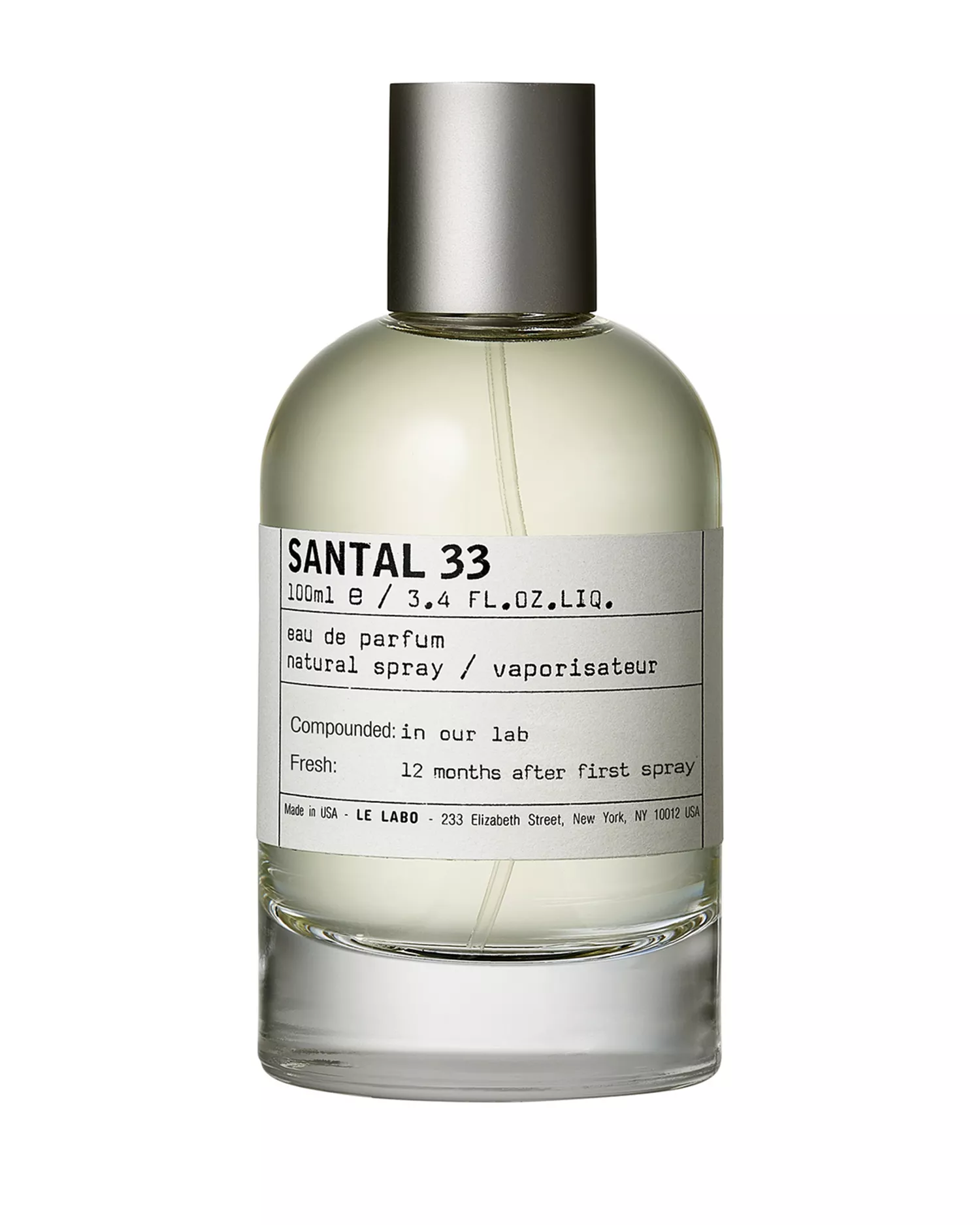
Side by side
Comparing the originals — price, breadth, listed-note depth.
Ylang ylang opens creamy and almost rubbery — the indolic, banana-tinged edge of the flower pushed forward rather than softened. Jasmine layers in at the heart, deepening the tropical richness without tipping into powder. The dry-down is where restraint finally arrives: vetiver cuts through with its earthy, slightly smoky edge, and sandalwood smooths things into a warm, skin-close finish. Musk keeps it anchored but quiet — sillage is moderate, projection intimate by the second hour — a slow, deliberate fade. — Best worn in warm weather by anyone who wants skin-forward florals with genuine depth rather than sweetness.
Cardamom and violet open with a cool, almost smoky spice before sandalwood and cedar move in and take over the heart — smooth, dry, slightly milky wood with an iris edge that adds a powdery chalk note without going feminine. Leather stays low and clean throughout, never harsh, grounding everything into a skin-close dry-down that projects modestly but leaves a persistent, intimate sillage. It wears like worn wood and clean skin, not loud but oddly hard to ignore — fall and winter, for anyone who wants a unisex signature that reads as effortlessly considered.
How they overlap
Ylang 49 and Santal 33 share exactly one note (sandalwood). The overlap is real but narrow — most of the wear experience will diverge.
The buying decision
Ylang 49 is the cheaper original at $198 compared to $245 for Santal 33 — about 19% less. Ylang 49 is built for spring/summer; Santal 33 for fall/winter. Pick by when you'd actually wear it.