Daisy Love So Sweet vs Daisy Wild
Side by side. Scored honestly.
← Compare different fragrances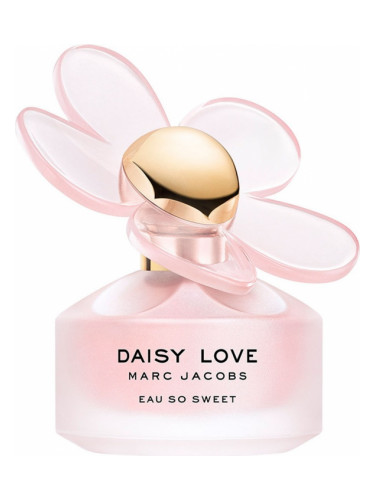
Side by side
Comparing the originals — price, breadth, listed-note depth.
Opens with a bright, slightly fizzy burst of raspberry and strawberry that reads more candy-sweet than fresh fruit. The heart settles into a soft daisy-tinged floral with cloudberry adding a faintly tart, jammy lift that keeps things from going flat. Projection is light to moderate — this stays close to skin rather than announcing itself across a room. The dry-down is where it earns its name: cashmere wood, vanilla, and sugar meld into a warm, pillowy musk that lingers gently for hours — Made for warm-weather days, teen to mid-twenties wearers, or anyone who wants sweet without heavy.
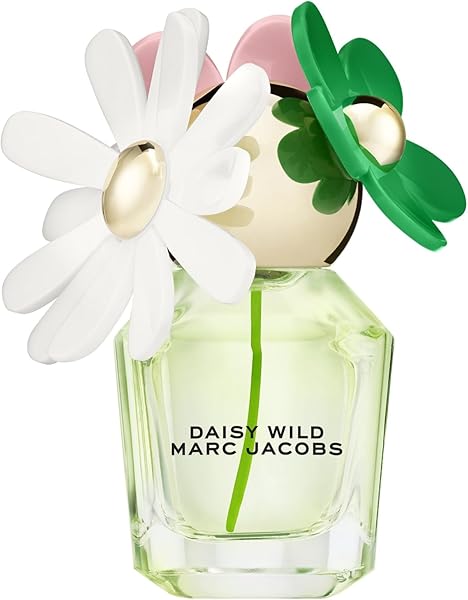
Opens with a bright, slightly tart wild strawberry that leans more fresh-green than candy-sweet, quickly softened by a magnolia and jasmine heart that reads clean and airy rather than heady or indolic. Violet leaf keeps the floral phase from getting too pretty, adding a faint waxy edge. The dry-down is where the woody base — white woods, sandalwood, vetiver — does most of the work, grounding everything in a soft, skin-close warmth with a musk that extends sillage without shouting. Projection stays moderate throughout — present but never intrusive — and it wears close to skin by the final hours — casual daywear for warm-weather months, best on someone who wants florals with a little green grit rather than pure sweetness.
How they overlap
Daisy Love So Sweet and Daisy Wild share exactly one note (musk). The overlap is real but narrow — most of the wear experience will diverge.
The buying decision
Daisy Love So Sweet is the cheaper original at $110 compared to $168 for Daisy Wild — about 35% less. Both wear best across the same spring/summer — they're interchangeable on weather fit.
Free: The 30 Best-Tested Dupes Under $40
A community-scored cheat sheet you can download now — 30 designer scents matched for under $40, ranked by accuracy and longevity.