Daisy Love vs Daisy Wild
Side by side. Scored honestly.
← Compare different fragrances
Side by side
Comparing the originals — price, breadth, listed-note depth.
Opens with a bright, slightly tart cloudberry and raspberry that reads more candy-sweet than fruity, softened almost immediately by a sheer coconut note that keeps things light rather than sunscreen-heavy. The daisy heart is clean and slightly green, grounding the sweetness without pushing toward soapy. On the dry-down, cashmere and ambrette give it a warm, skin-close musky finish backed by pale white woods — soft and seamless. Projection stays modest; sillage is polite, a close-to-skin trail rather than anything that announces itself — best for warm-weather casual wear and younger wearers who want something approachable and easy.
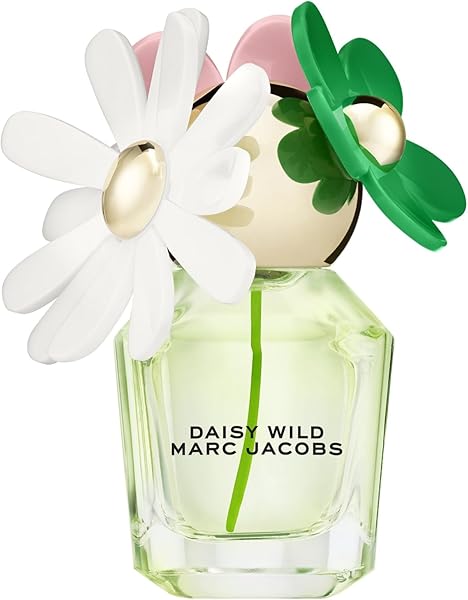
Opens with a bright, slightly tart wild strawberry that leans more fresh-green than candy-sweet, quickly softened by a magnolia and jasmine heart that reads clean and airy rather than heady or indolic. Violet leaf keeps the floral phase from getting too pretty, adding a faint waxy edge. The dry-down is where the woody base — white woods, sandalwood, vetiver — does most of the work, grounding everything in a soft, skin-close warmth with a musk that extends sillage without shouting. Projection stays moderate throughout — present but never intrusive — and it wears close to skin by the final hours — casual daywear for warm-weather months, best on someone who wants florals with a little green grit rather than pure sweetness.
How they overlap
Daisy Love and Daisy Wild share exactly one note (white woods). The overlap is real but narrow — most of the wear experience will diverge.
The buying decision
Daisy Love is the cheaper original at $110 compared to $130 for Daisy Wild — about 15% less. Both wear best across the same spring/summer — they're interchangeable on weather fit.