Daisy EDT vs Daisy Love So Sweet
Side by side. Scored honestly.
← Compare different fragrances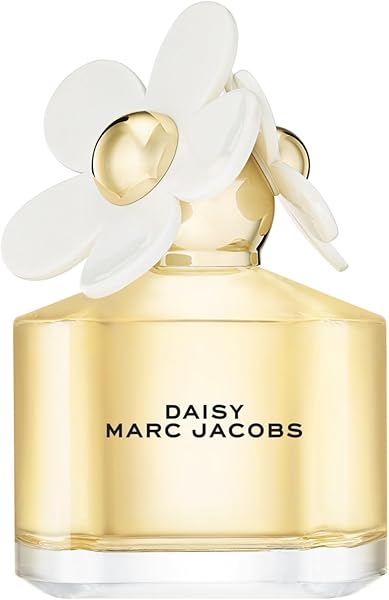
Side by side
Comparing the originals — price, breadth, listed-note depth.
Opens with a bright, almost candied strawberry cut by the green snap of violet leaf — cheerful and a little sheer, like fruit being pulled through a garden rather than a juice bar. The heart softens into jasmine and gardenia, keeping things clearly floral without going heady or grown-up. Dry-down lands on a mild vanilla-woods base that's warm but barely there. Projection is light, sillage close to skin — this wears politely and fades within a few hours. — Ideal for warm-weather days, casual outings, or anyone wanting an uncomplicated, crowd-friendly floral that leans young.
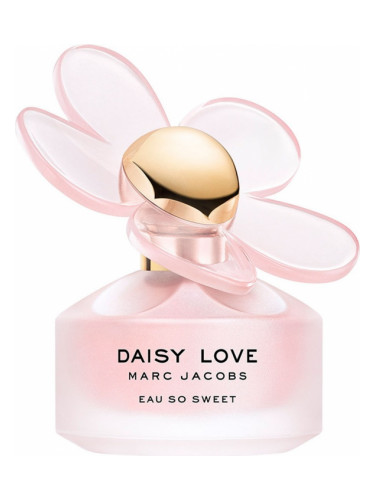
Opens with a bright, slightly fizzy burst of raspberry and strawberry that reads more candy-sweet than fresh fruit. The heart settles into a soft daisy-tinged floral with cloudberry adding a faintly tart, jammy lift that keeps things from going flat. Projection is light to moderate — this stays close to skin rather than announcing itself across a room. The dry-down is where it earns its name: cashmere wood, vanilla, and sugar meld into a warm, pillowy musk that lingers gently for hours — Made for warm-weather days, teen to mid-twenties wearers, or anyone who wants sweet without heavy.
How they overlap
Daisy EDT and Daisy Love So Sweet share 2 notes (strawberry, vanilla). The same note name doesn't always mean the same scent — different houses use different vanillas, different woods, different musks — but a multi-note shared spine usually does indicate genuinely-comparable wear character. The remaining notes (4 unique to Daisy EDT, 6 unique to Daisy Love So Sweet) are where the divergence happens.
The buying decision
Original-bottle pricing is essentially identical ($110 vs $110), so the choice rarely comes down to upfront cost. Both wear best across the same spring/summer — they're interchangeable on weather fit.
Free: The 30 Best-Tested Dupes Under $40
A community-scored cheat sheet you can download now — 30 designer scents matched for under $40, ranked by accuracy and longevity.