Inle vs Italian Leather
Side by side. Scored honestly.
← Compare different fragrances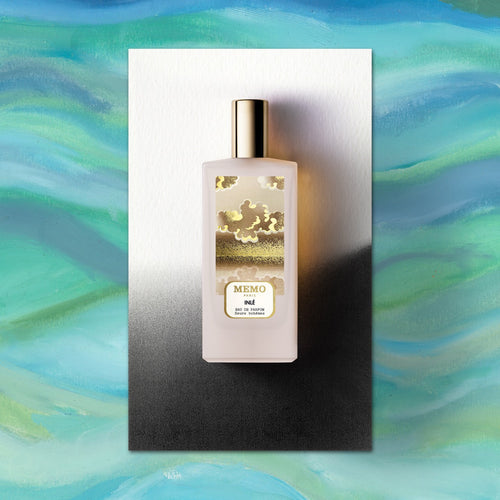

Side by side
Comparing the originals — price, breadth, listed-note depth.
Opens with a cool, almost translucent aquatic bloom — lotus and water lily rendered cleanly without the synthetic sharpness that plagues most aquatics. The heart stays genuinely watery but gains quiet depth as cedarwood pulls it toward dry, slightly earthy territory. Vetiver grounds the dry-down without ever turning smoky, and a soft musk keeps sillage intimate rather than broadcasting. Projection is modest from the start; this wears close to skin, layering rather than announcing. — Best in warm-weather heat when the aquatic notes activate naturally against skin, ideal for anyone who finds most aquatics too loud or artificial.
Opens with a sharp, citrusy lemon that cuts cleanly before the leather moves in — not a smoky or animalic leather, but a dry, almost papery Italian variety that reads more refined than raw. Iris bridges the two halves, adding a cool, slightly powdery softness that keeps the leather from feeling austere. Cedar and vetiver anchor the dry-down into a woody, earthy base with moderate projection and quiet, close-wearing sillage that lingers without announcing itself — best suited to cooler months and anyone who wants structure without aggression.
How they overlap
Inle and Italian Leather share exactly one note (vetiver). The overlap is real but narrow — most of the wear experience will diverge.
The buying decision
Original-bottle pricing is essentially identical ($295 vs $295), so the choice rarely comes down to upfront cost. Inle is built for spring/summer; Italian Leather for spring/fall/winter. Pick by when you'd actually wear it.