Italian Leather vs French Leather
Side by side. Scored honestly.
← Compare different fragrances
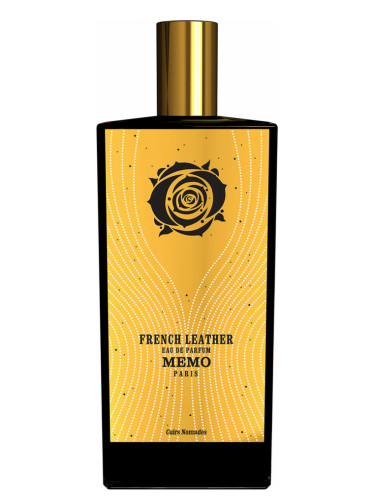
Side by side
Comparing the originals — price, breadth, listed-note depth.
Opens with a sharp, citrusy lemon that cuts cleanly before the leather moves in — not a smoky or animalic leather, but a dry, almost papery Italian variety that reads more refined than raw. Iris bridges the two halves, adding a cool, slightly powdery softness that keeps the leather from feeling austere. Cedar and vetiver anchor the dry-down into a woody, earthy base with moderate projection and quiet, close-wearing sillage that lingers without announcing itself — best suited to cooler months and anyone who wants structure without aggression.
Opens with a sharp, slightly medicinal saffron that softens quickly as iris steps in — powdery but not sweet, with a cool, almost starchy quality that keeps things refined. The leather at the heart is smooth and sueded rather than raw or animalic, reading more like the inside of a luxury glove than a biker jacket. Sandalwood and musk anchor the dry-down into something warm and skin-close, with birch adding a faint smokiness that prevents the whole thing from going too soft. Projection is moderate; sillage lingers politely rather than announcing itself — Fall and winter evenings, best on someone who prefers their leather quiet and expensive.
How they overlap
Italian Leather and French Leather share exactly one note (iris). The overlap is real but narrow — most of the wear experience will diverge.
The buying decision
Italian Leather is the cheaper original at $295 compared to $335 for French Leather — about 12% less. Italian Leather covers 3 seasons (spring, fall, winter) — wider weather range than French Leather, which leans fall/winter-only.