Alien EDP vs Angel Elixir
Side by side. Scored honestly.
← Compare different fragrances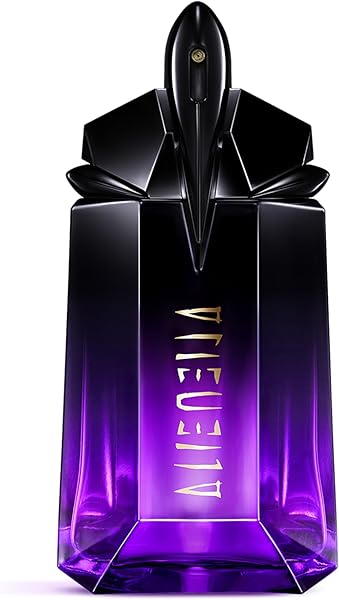

Side by side
Comparing the originals — price, breadth, listed-note depth.
Opens with a dense, almost solar-baked jasmine sambac — not fresh or dewy, but warm and slightly waxy, like flowers left in a hot car. The heart amplifies rather than shifts, leaning into cashmeran's plush, woody-musk character until the jasmine feels structural rather than decorative. The dry-down is all white amber and sandalwood: smooth, skin-close, and quietly radiant. Projection is assertive in the first two hours, then settles into a generous sillage that reads as warmth rather than volume — built for cold weather and close quarters, best on confident wearers who want to leave a room smelling different than when they entered.
Bergamot and red berries crack open bright and slightly tart before the sweetness takes over fast — this moves quickly into a dense floral-gourmand heart where jasmine and rose read more as warm texture than distinct flowers, threaded through with caramel and vanilla that skew rich but not cloying. The dry-down leans into patchouli and sandalwood, giving it a dark, resinous base that anchors the sweetness without going earthy. Projection is bold for the first few hours, then settles into a close, enveloping sillage — built for cold weather and evenings out, best on someone who wants their fragrance felt before they arrive.
How they overlap
Alien EDP and Angel Elixir share exactly one note (sandalwood). The overlap is real but narrow — most of the wear experience will diverge.
The buying decision
Original-bottle pricing is essentially identical ($130 vs $130), so the choice rarely comes down to upfront cost. Both wear best across the same fall/winter — they're interchangeable on weather fit.
Free: The 30 Best-Tested Dupes Under $40
A community-scored cheat sheet you can download now — 30 designer scents matched for under $40, ranked by accuracy and longevity.