Tuberoza vs Hacivat
Side by side. Scored honestly.
← Compare different fragrances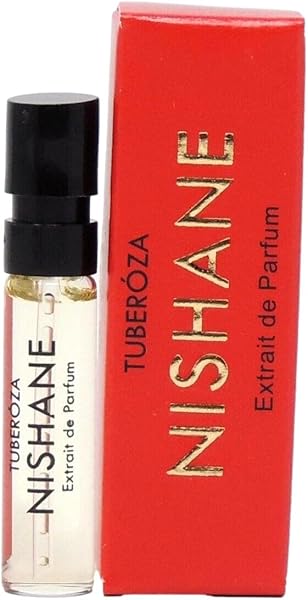
No shared notes — these two land in very different territory.
Side by side
Comparing the originals — price, breadth, listed-note depth.
Tuberose leads hard from the opening — white, waxy, and slightly indolic, pushed louder by jasmine and ylang-ylang into something almost aggressively floral. There's a rubbery, almost narcotic edge in the heart that keeps it from reading as simple or sweet. The dry-down softens considerably as sandalwood and vanilla pull it toward a creamy oriental base, with musk extending the sillage into a warm, skin-close finish. Projection is bold for the first two hours, then intimate. — Best worn in warm weather by anyone who wants a full-volume white floral that doesn't apologize for itself.
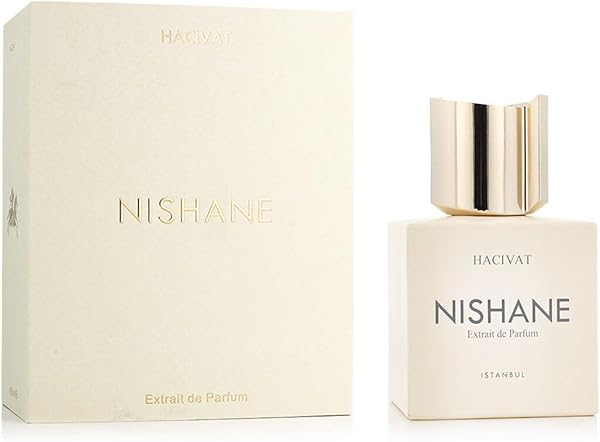
Opens with a punchy burst of pineapple and grapefruit that feels bright but not candied, bergamot keeping it from tipping sweet. Within the first hour, oakmoss pulls it into darker territory — earthy, almost leathery — while labdanum adds a warm resinous base that keeps it grounded through the dry-down. Projection is confident without being aggressive; sillage trails richly for hours. The result is a rare balance: tropical sharpness over a mossy, amber-weighted foundation that wears surprisingly sophisticated — Best in warm-to-cool transitional weather for someone who wants a fresh opening with serious depth underneath.
How they overlap
Tuberoza and Hacivat share no notes in common — these two fragrances target very different olfactory territory, and the comparison is a question of which direction you want to go rather than which version of the same accord.
The buying decision
Tuberoza is the cheaper original at $195 compared to $265 for Hacivat — about 26% less. Hacivat covers 3 seasons (spring, summer, fall) — wider weather range than Tuberoza, which leans spring/summer-only.
Recommendation
These two land in genuinely different scent territory — there's no "better" answer, just which direction you want to go. Read the scent descriptions above and pick the one that sounds like you'd want to smell.