Delina Exclusif vs Palatine
Side by side. Scored honestly.
← Compare different fragrances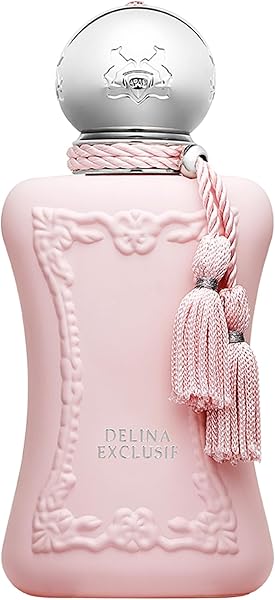

Side by side
Comparing the originals — price, breadth, listed-note depth.
Opens with a tart rhubarb-pink pepper snap that keeps the sweetness honest before lychee and peony pull it softer in the heart. Turkish rose is the dominant force — full and velvety but never soapy — with the rhubarb's acidity holding it from tipping into straight-up florals. The dry-down settles into cashmere wood and vanilla-laced musk: warm, skin-close, with a powdery finish that lingers quietly. Projection is moderate; sillage is polished rather than loud. — Best suited for spring and early fall, ideal for anyone who wants a grown-up rose with enough tartness to stay interesting.
Bergamot cuts clean on the open, sharpened by pink pepper into something brisk and slightly fizzy before jasmine and rose take over the heart — the rose here is polished rather than dewy, the jasmine kept in check so the floral reads elegant without tipping sweet. Sandalwood and musk carry the dry-down, adding a creamy softness that stays close to the skin. Projection is moderate, sillage refined rather than bold; this wears like a second skin by mid-afternoon — A warm-weather fragrance for someone who wants a polished floral that won't announce itself from across the room.
How they overlap
Delina Exclusif and Palatine share 2 notes (pink pepper, musk). The same note name doesn't always mean the same scent — different houses use different vanillas, different woods, different musks — but a multi-note shared spine usually does indicate genuinely-comparable wear character. The remaining notes (6 unique to Delina Exclusif, 4 unique to Palatine) are where the divergence happens.
The buying decision
Palatine is the cheaper original at $325 compared to $395 for Delina Exclusif — about 18% less. Both wear best across the same spring/summer/fall — they're interchangeable on weather fit.
Free: The 30 Best-Tested Dupes Under $40
A community-scored cheat sheet you can download now — 30 designer scents matched for under $40, ranked by accuracy and longevity.