Lippizan vs Pegasus EDP
Side by side. Scored honestly.
← Compare different fragrances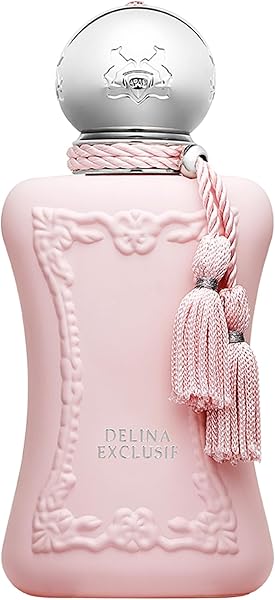
Side by side
Comparing the originals — price, breadth, listed-note depth.
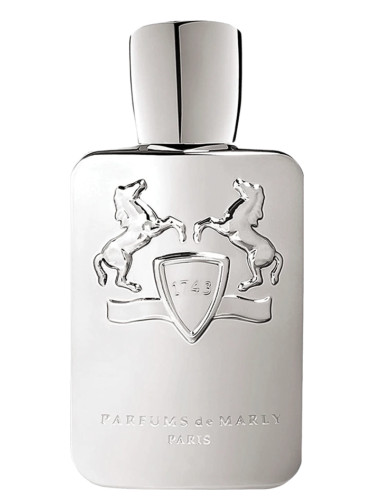
Bergamot and lavender open clean and bright, leaning slightly soapy but saved from blandness by a cool, powdery iris that sharpens the heart. Geranium adds a faint green edge without going herbal. The dry-down is where it earns its keep — vetiver and cedarwood settle into a dry, lightly smoky base that wears close to skin, with musk softening the edges into something polished rather than raw. Projection is moderate; sillage is refined, never loud — a well-behaved presence that lasts without announcing itself — Office-ready or weekend-dressed, spring through early fall, for the man who wants clean with actual depth.
Bergamot opens things up cleanly before stepping aside almost immediately, letting heliotrope and almond take center stage in the heart — a powdery, almost confectionery pairing that reads warm and skin-close rather than sharp. Jasmine adds quiet floral depth without going feminine. The dry-down settles into sandalwood and vanilla, soft and creamy with moderate sillage that stays within a few feet. Projection is polite, longevity solid at six-plus hours. — Best in cold weather on someone who wants a crowd-pleasing, wearable signature that leans sweet without going full dessert.
How they overlap
Lippizan and Pegasus EDP share exactly one note (bergamot). The overlap is real but narrow — most of the wear experience will diverge.
The buying decision
Pegasus EDP is the cheaper original at $265 compared to $335 for Lippizan — about 21% less. Lippizan is built for spring/summer/fall; Pegasus EDP for fall/winter. Pick by when you'd actually wear it.