Belgravia Chypre vs Lavendula
Side by side. Scored honestly.
← Compare different fragrances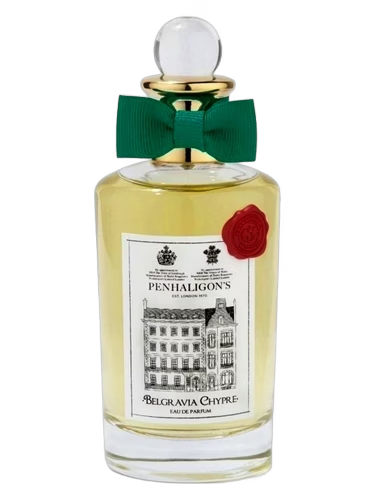
Side by side
Comparing the originals — price, breadth, listed-note depth.
Bergamot opens things with a clean, citrus-edged brightness before the heart pulls toward a restrained floral accord — rose and jasmine present but never showy, held in check by oakmoss that lends an earthy, almost damp-forest weight from the start. The dry-down is where it earns its keep: vetiver and labdanum push the moss into darker, resinous territory, settling into a cool, smoky skin scent with moderate projection and sillage that stays close rather than announcing itself. — Best in cool spring or autumn air, worn by anyone who prefers structure over sweetness.
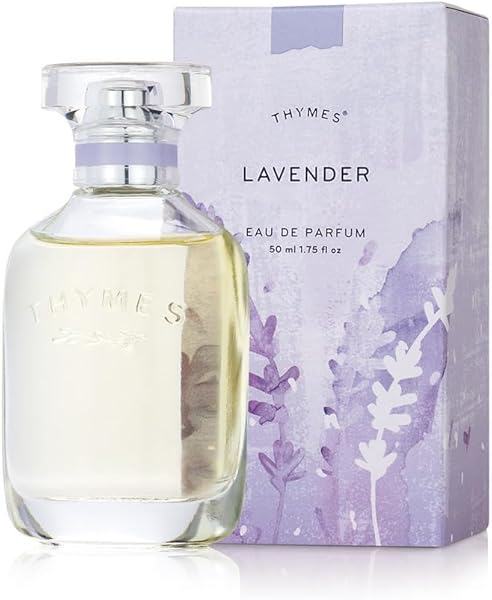
Bergamot and lemon hit first — sharp, almost soapy clean — before lavender takes over fully in the heart, herbal and slightly medicinal rather than sweet or powdery. Geranium keeps things from going flat, adding a faintly rosy, green edge that sits alongside the lavender rather than fighting it. The dry-down is quiet: sandalwood and musk soften everything into a warm, understated base with modest sillage and close projection. It wears like a well-ironed shirt — precise, unfussy, composed — Ideal for office wear or warm-weather days when you want presence without performance.
How they overlap
Belgravia Chypre and Lavendula share exactly one note (bergamot). The overlap is real but narrow — most of the wear experience will diverge.
The buying decision
Lavendula is the cheaper original at $95 compared to $195 for Belgravia Chypre — about 51% less.
Recommendation
If you're price-sensitive, Lavendula delivers comparable territory at $100 less than Belgravia Chypre. If you want the specific character of Belgravia Chypre — the prose above is the better guide than the price — the premium is what you're paying for.