Much Ado About the Duke vs Lavendula
Side by side. Scored honestly.
← Compare different fragrances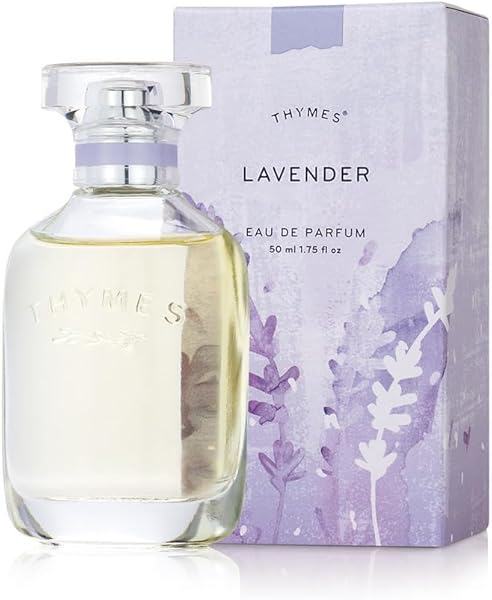
Side by side
Comparing the originals — price, breadth, listed-note depth.
Much Ado About the Duke is a refined and aristocratic fougère-leaning fragrance that opens with bright citrus and spiced cardamom before settling into a powdery iris and violet heart. The base grounds the composition with earthy vetiver and warm sandalwood, creating a distinguished and quietly confident dry-down. It is elegant and understated, suited to a man of refined tastes.
Bergamot and lemon hit first — sharp, almost soapy clean — before lavender takes over fully in the heart, herbal and slightly medicinal rather than sweet or powdery. Geranium keeps things from going flat, adding a faintly rosy, green edge that sits alongside the lavender rather than fighting it. The dry-down is quiet: sandalwood and musk soften everything into a warm, understated base with modest sillage and close projection. It wears like a well-ironed shirt — precise, unfussy, composed — Ideal for office wear or warm-weather days when you want presence without performance.
How they overlap
Much Ado About the Duke and Lavendula share 3 notes (bergamot, sandalwood, musk). The same note name doesn't always mean the same scent — different houses use different vanillas, different woods, different musks — but a multi-note shared spine usually does indicate genuinely-comparable wear character. The remaining notes (5 unique to Much Ado About the Duke, 3 unique to Lavendula) are where the divergence happens.
The buying decision
Lavendula is the cheaper original at $95 compared to $295 for Much Ado About the Duke — about 68% less.
Recommendation
If you're price-sensitive, Lavendula delivers comparable territory at $200 less than Much Ado About the Duke. If you want the specific character of Much Ado About the Duke — the prose above is the better guide than the price — the premium is what you're paying for.