Luna Rossa Carbon vs Paradoxe EDP
Side by side. Scored honestly.
← Compare different fragrances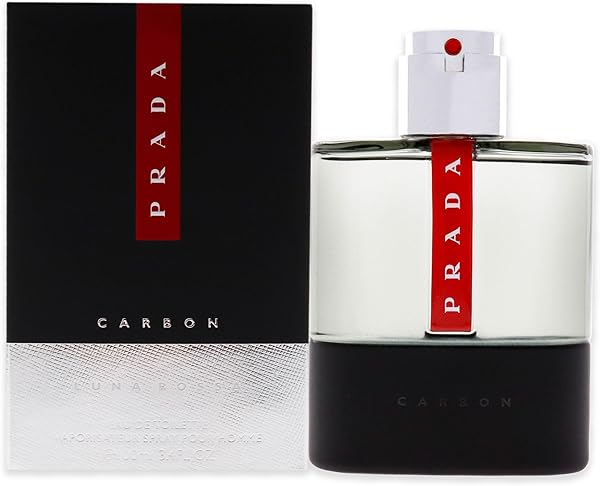
Side by side
Comparing the originals — price, breadth, listed-note depth.
Opens with a sharp bergamot-lavender blast that reads more metallic and cold than floral, thanks to the carbon accord pressing everything toward a clean, industrial edge. The heart settles into a dry iris-coumarin sweetness that keeps it from feeling purely functional, while cypriol adds a faint smoky grain underneath. The dry-down is ambroxide-forward — smooth, skin-close, and gently woody from the patchouli without ever going dark. Projection is moderate; sillage is clean and intimate rather than loud — best worn spring through fall by someone who wants polished and effortless over complex or challenging.
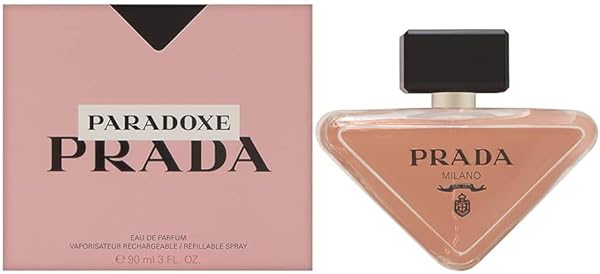
Bergamot and neroli hit clean and citrus-bright in the opening, with just enough fizz to feel fresh without going sporty. Jasmine moves in quickly at the heart — not heady or indolic, but soft and slightly powdery, kept airy by the white musk underneath. The dry-down leans into warm amber and vanilla, but stays restrained; this is a skin-close gourmand finish, not a dessert. Projection is moderate, sillage polite — it announces without overwhelming. — A reliable everyday feminine for spring and fall, especially for anyone who wants something approachable and put-together without smelling generic.
How they overlap
Luna Rossa Carbon and Paradoxe EDP share exactly one note (bergamot). The overlap is real but narrow — most of the wear experience will diverge.
The buying decision
Luna Rossa Carbon is the cheaper original at $110 compared to $130 for Paradoxe EDP — about 15% less. Both wear best across the same spring/summer/fall — they're interchangeable on weather fit. Heads up: Luna Rossa Carbon is marketed masculine, Paradoxe EDP is marketed feminine — they target different wearers, though plenty of buyers cross those lines.