Paradoxe Intense vs Paradoxe EDP
Side by side. Scored honestly.
← Compare different fragrances
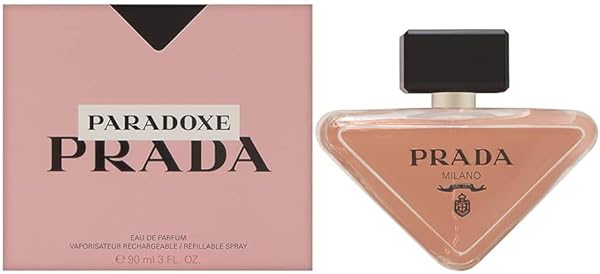
Side by side
Comparing the originals — price, breadth, listed-note depth.
Neroli opens with a clean, slightly bitter citrus brightness that fades quickly into a dense floral heart built around jasmine sambac and iris — powdery, slightly soapy, and unmistakably feminine. The dry-down is where it earns its keep: amber, vanilla, and sandalwood layer into a warm, resinous base that patchouli keeps from going purely sweet. Projection is moderate and close-wearing by the second hour, leaving a soft gourmand-woody sillage that reads polished rather than heavy — Best for cooler months, dinner dates, or any occasion that calls for quiet confidence over spectacle.
Bergamot and neroli hit clean and citrus-bright in the opening, with just enough fizz to feel fresh without going sporty. Jasmine moves in quickly at the heart — not heady or indolic, but soft and slightly powdery, kept airy by the white musk underneath. The dry-down leans into warm amber and vanilla, but stays restrained; this is a skin-close gourmand finish, not a dessert. Projection is moderate, sillage polite — it announces without overwhelming. — A reliable everyday feminine for spring and fall, especially for anyone who wants something approachable and put-together without smelling generic.
How they overlap
Paradoxe Intense and Paradoxe EDP share 4 notes (neroli, amber, white musk, vanilla). The same note name doesn't always mean the same scent — different houses use different vanillas, different woods, different musks — but a multi-note shared spine usually does indicate genuinely-comparable wear character. The remaining notes (4 unique to Paradoxe Intense, 2 unique to Paradoxe EDP) are where the divergence happens.
The buying decision
Paradoxe EDP is the cheaper original at $130 compared to $155 for Paradoxe Intense — about 16% less. Paradoxe Intense is built for fall/winter; Paradoxe EDP for spring/summer/fall. Pick by when you'd actually wear it.
Free: The 30 Best-Tested Dupes Under $40
A community-scored cheat sheet you can download now — 30 designer scents matched for under $40, ranked by accuracy and longevity.