Enigma vs Elysium
Side by side. Scored honestly.
← Compare different fragrances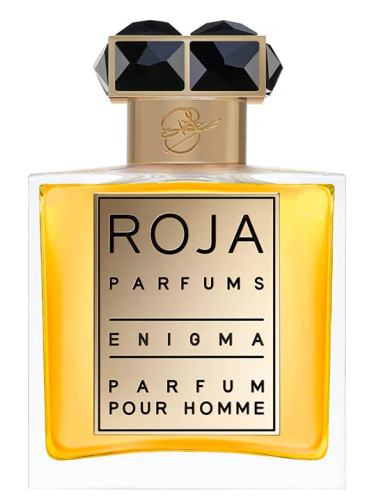
Side by side
Comparing the originals — price, breadth, listed-note depth.
Opens with a sharp cognac-and-cinnamon bite that smells genuinely boozy and warm rather than sweet, with plum adding a dark, slightly bruised fruit edge underneath. Within the first hour it settles into the real heart of the thing: tobacco and patchouli locked together, dense and slightly dirty, anchored by sandalwood and benzoin that smooth the rougher edges without softening the character. The dry-down is long, close-to-skin vanilla and tobacco — rich but never cloying. Projection is substantial early, then becomes a persistent intimate trail. — Cold-weather evenings, for someone who wants to smell expensive and unapologetically masculine.
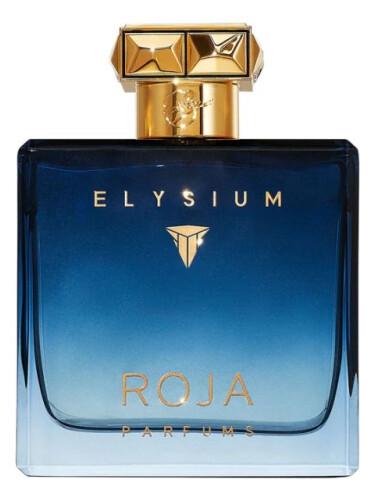
Grapefruit and bergamot hit clean and sharp at the opening — citrus with real bite rather than sweetness. Galbanum adds a faint green edge that keeps the early stage from going soft. As it settles, the heart turns woody and grounded, cedar and patchouli layering in a dry, almost resinous quality. The dry-down is where vanilla and amber quietly pull things warmer without tipping into gourmand territory. Projection is moderate, sillage stays close but present. — A polished, skin-close summer-to-fall choice for anyone who wants citrus that actually finishes well.
How they overlap
Enigma and Elysium share 2 notes (patchouli, vanilla). The same note name doesn't always mean the same scent — different houses use different vanillas, different woods, different musks — but a multi-note shared spine usually does indicate genuinely-comparable wear character. The remaining notes (6 unique to Enigma, 5 unique to Elysium) are where the divergence happens.
The buying decision
Elysium is the cheaper original at $420 compared to $435 for Enigma — about 3% less. Enigma is built for fall/winter; Elysium for spring/summer/fall. Pick by when you'd actually wear it.
Free: The 30 Best-Tested Dupes Under $40
A community-scored cheat sheet you can download now — 30 designer scents matched for under $40, ranked by accuracy and longevity.