Creation-E vs Danger pour Homme
Side by side. Scored honestly.
← Compare different fragrances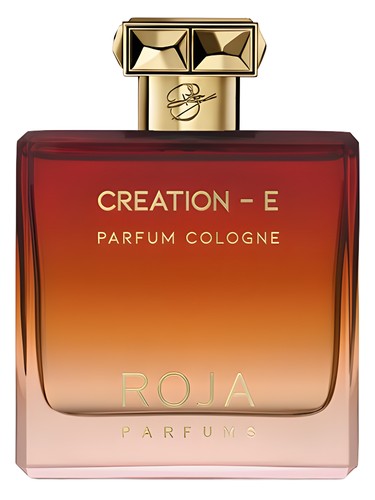
Side by side
Comparing the originals — price, breadth, listed-note depth.
Opens with a bright, slightly herbal citrus from the orange cutting through a cool lavender accord — clean but not sharp. The heart settles into a lush, powdery floral where rose and jasmine intertwine with enough sweetness to tip toward gourmand territory without fully committing. The dry-down is where it earns its price: amber and oakmoss create a warm, resinous depth anchored by a quiet, earthy vetiver. Projection is moderate and refined, leaving a soft, skin-close sillage that lingers elegantly — best worn in cooler spring or autumn days when the warmth amplifies the floral-amber core.
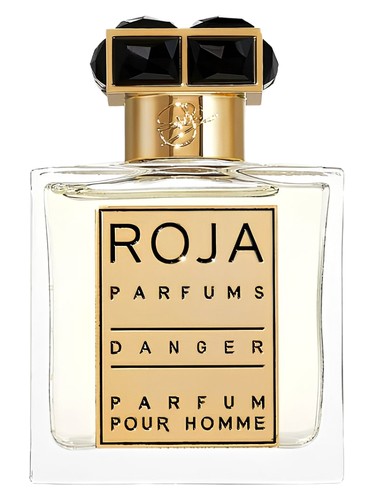
Bergamot and lemon open bright but short-lived, quickly giving way to a smoky iris that anchors the heart with cool, powdery depth. Leather and tobacco emerge as it settles — not rough or sharp, but polished and well-worn, something closer to a gentleman's study than a biker jacket. Amber and vetiver steady the dry-down into a warm, resinous base with genuine staying power and moderate-to-strong sillage that trails without demanding attention — best worn in cold weather by someone who prefers quiet authority over loud statements.
How they overlap
Creation-E and Danger pour Homme share 2 notes (amber, vetiver). The same note name doesn't always mean the same scent — different houses use different vanillas, different woods, different musks — but a multi-note shared spine usually does indicate genuinely-comparable wear character. The remaining notes (5 unique to Creation-E, 5 unique to Danger pour Homme) are where the divergence happens.
The buying decision
Original-bottle pricing is essentially identical ($415 vs $415), so the choice rarely comes down to upfront cost. Creation-E is built for spring/summer/fall; Danger pour Homme for fall/winter. Pick by when you'd actually wear it.