Wonderstruck vs Tobacco Vanille
Side by side. Scored honestly.
← Compare different fragrances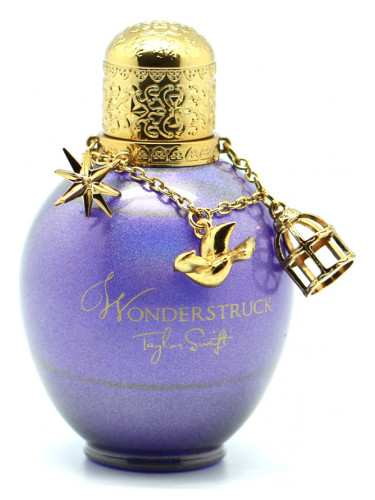
Wonderstruck

Side by side
Comparing the originals — price, breadth, listed-note depth.
Opens with a bright burst of raspberry and apple blossom that reads more juicy-fresh than candied, quickly softening into a peony-freesia heart with just enough sweetness to keep it approachable rather than soapy. The vanilla and musk anchor the dry-down into something warm and skin-close, while sandalwood adds a faint woody smoothness that keeps it from going full dessert. Projection is modest — decent sillage in the first hour, then it settles into a soft personal cloud. The overall effect is sweet but airy, floral but not grandmotherly — a casual sweetness that wears young and easy — best suited for spring and summer days, teens and twentysomethings who want something uncomplicated and likable.
Opens with a burst of warm, slightly bitter tobacco leaf cut through with baking spices, then settles quickly into its real identity: a dense, almost edible heart of vanilla and tonka bean wrapped around sweet tobacco blossom and a whisper of cocoa. The dry-down is smooth and relentless, staying close to the skin but leaving a heavy, honeyed sillage that reads in any room. Projection is generous without being aggressive — this wears like an expensive dessert you're not sharing — Deep fall and winter evenings, anyone who wants to smell unmistakably present.
How they overlap
Wonderstruck and Tobacco Vanille share exactly one note (vanilla). The overlap is real but narrow — most of the wear experience will diverge.
The buying decision
Wonderstruck is the cheaper original at $55 compared to $395 for Tobacco Vanille — about 86% less. Wonderstruck is built for spring/summer/fall; Tobacco Vanille for fall/winter. Pick by when you'd actually wear it.
Recommendation
If you're price-sensitive, Wonderstruck delivers comparable territory at $340 less than Tobacco Vanille. If you want the specific character of Tobacco Vanille — the prose above is the better guide than the price — the premium is what you're paying for.
Free: The 30 Best-Tested Dupes Under $40
A community-scored cheat sheet you can download now — 30 designer scents matched for under $40, ranked by accuracy and longevity.