Guimauve vs Baccarat Rouge 540
Side by side. Scored honestly.
← Compare different fragrances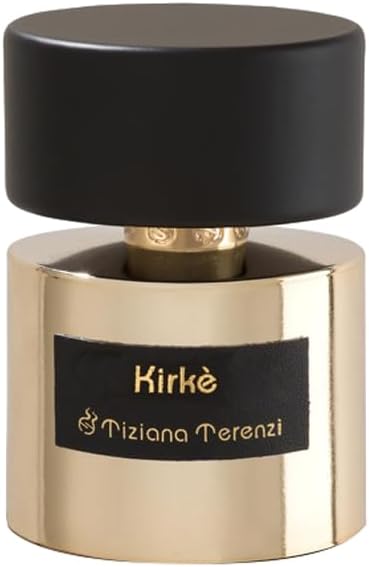
No shared notes — these two land in very different territory.
Side by side
Comparing the originals — price, breadth, listed-note depth.
Opens with pillowy marshmallow and heliotrope — powdery, almost edible, closer to confectionery than perfume. The heart deepens as vanilla and praline push forward, rich but never cloying, held in check by tonka bean's slight bitterness. Sandalwood and benzoin anchor the dry-down into something genuinely woody and warm rather than flat dessert mush, with a soft musk sillage that lingers close to skin. Projection is moderate and intimate rather than room-filling — a cozy, well-behaved gourmand. — Best in autumn and winter, ideal for anyone who wants to smell like a high-end patisserie without crossing into birthday cake territory.
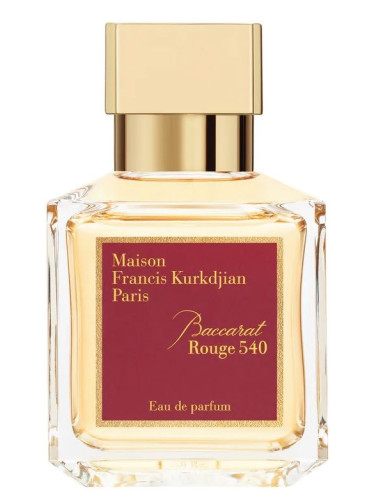
Saffron opens sharp and slightly medicinal, then almost immediately dissolves into a warm, luminous blur of jasmine and amberwood — the signature move that made this famous. The heart is less floral than it sounds; the jasmine reads more as a sweetened airiness than a recognizable bloom. Dry-down is where it lives: cedar and fir resin ground a soft, skin-close amber that radiates rather than announces itself, with sillage that lingers in a room long after you've left — Fall and winter wearing, for anyone who wants to smell expensive without being loud about it.
How they overlap
Guimauve and Baccarat Rouge 540 share no notes in common — these two fragrances target very different olfactory territory, and the comparison is a question of which direction you want to go rather than which version of the same accord.
The buying decision
Guimauve is the cheaper original at $295 compared to $325 for Baccarat Rouge 540 — about 9% less.
Recommendation
These two land in genuinely different scent territory — there's no "better" answer, just which direction you want to go. Read the scent descriptions above and pick the one that sounds like you'd want to smell.