Black Orchid vs Mandarino di Amalfi
Side by side. Scored honestly.
← Compare different fragrances
Side by side
Comparing the originals — price, breadth, listed-note depth.
Opens with tart bergamot cutting through an earthy black truffle funk — the combination reads more savory than sweet in the first few minutes. The heart blooms into dark, almost rotting floral territory anchored by black orchid, never pretty or delicate. Chocolate and patchouli pull the dry-down toward rich, soil-damp gourmand warmth without tipping into dessert territory; vanilla keeps it smooth but not sugary. Projection is bold and intimate, sillage trails dark and lasting — made for cold weather and close quarters after dark.
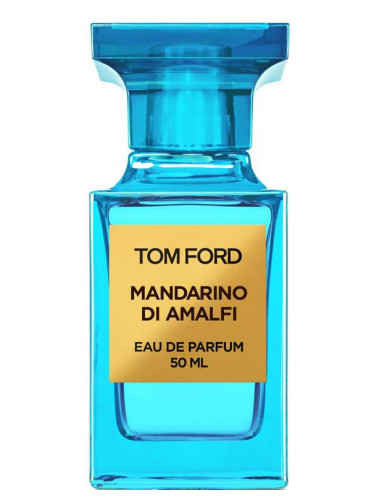
Mandarin leads the opening with a juicy, sun-warmed burst that leans closer to the actual fruit than to candy, layered immediately with the sharper lift of lemon and bergamot. Neroli bridges the citrus heart into something slightly floral and green — cooling it down rather than sweetening it. The dry-down is where ambroxan and musk do quiet structural work, giving the whole thing soft skin-warmth and a low, clean sillage that reads expensive without announcing itself. Projection stays polite and intimate throughout — warm-weather wear for someone who wants to smell like a coastal afternoon without trying.
How they overlap
Black Orchid and Mandarino di Amalfi share exactly one note (bergamot). The overlap is real but narrow — most of the wear experience will diverge.
The buying decision
Black Orchid is the cheaper original at $195 compared to $325 for Mandarino di Amalfi — about 40% less. Black Orchid is built for fall/winter; Mandarino di Amalfi for spring/summer. Pick by when you'd actually wear it. They sit in different families — Black Orchid is oriental+floral+gourmand+woody, Mandarino di Amalfi is fresh. Comparison is more about preference than tradeoff.
Recommendation
If you're price-sensitive, Black Orchid delivers comparable territory at $130 less than Mandarino di Amalfi. If you want the specific character of Mandarino di Amalfi — the prose above is the better guide than the price — the premium is what you're paying for.
Free: The 30 Best-Tested Dupes Under $40
A community-scored cheat sheet you can download now — 30 designer scents matched for under $40, ranked by accuracy and longevity.