Ombré Leather vs Grey Vetiver
Side by side. Scored honestly.
← Compare different fragrances
Side by side
Comparing the originals — price, breadth, listed-note depth.
Cardamom and a whisper of raspberry push through the opening — sharp and slightly sweet, then gone fast. Within minutes, the leather takes over: dry, smooth, and slightly smoky, anchored by jasmine that adds a faintly animalic warmth rather than anything floral. Patchouli and amber deepen the dry-down into something earthy and resinous without going powdery. Projection is commanding in the first few hours before settling into a close, skin-warming sillage that lasts well. — Built for cold weather and confident wearers who want leather that actually smells like leather.
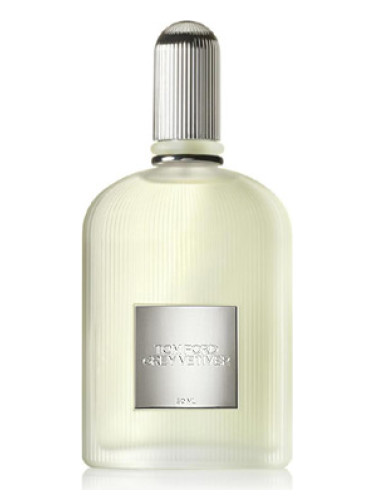
Opens with a sharp, slightly bitter grapefruit that burns off quickly, making way for cardamom adding a dry, faintly spiced warmth. The heart is where vetiver takes command — cool, smoky, and earthy without going dirty — anchored by cedarwood that keeps everything structured and upright. Oakmoss in the dry-down adds a subtle green, almost powdery depth. Projection is moderate and well-behaved; sillage stays close rather than announcing itself. A clean, composed masculine that wears like a second skin by hour three — ideal for office environments and transitional-weather days when you want presence without performance.
How they overlap
Ombré Leather and Grey Vetiver share exactly one note (cardamom). The overlap is real but narrow — most of the wear experience will diverge.
The buying decision
Ombré Leather is the cheaper original at $265 compared to $325 for Grey Vetiver — about 18% less. Ombré Leather is built for fall/winter; Grey Vetiver for spring/summer/fall. Pick by when you'd actually wear it.