Tuscan Leather vs Layton
Side by side. Scored honestly.
← Compare different fragrances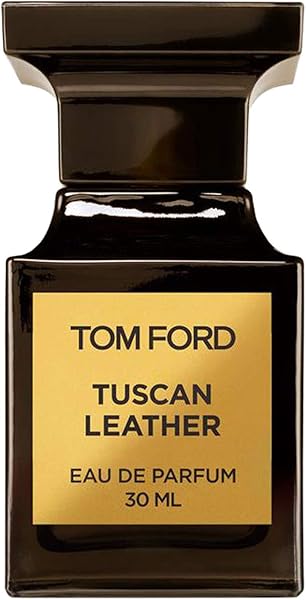
Side by side
Comparing the originals — price, breadth, listed-note depth.
Opens with a sharp, slightly tart raspberry cut through by metallic saffron — not sweet, more like blood and spice. Thyme adds a dry herbal edge before the heart pivots hard into leather: raw, almost animalic, the kind that smells like hide rather than a jacket. Jasmine softens without feminizing it. The dry-down settles into a warm amber-olibanum base that anchors the leather for hours. Projection is assertive but never screaming; sillage lingers close and dark — Built for cold weather and anyone who wants to smell expensive and slightly dangerous.
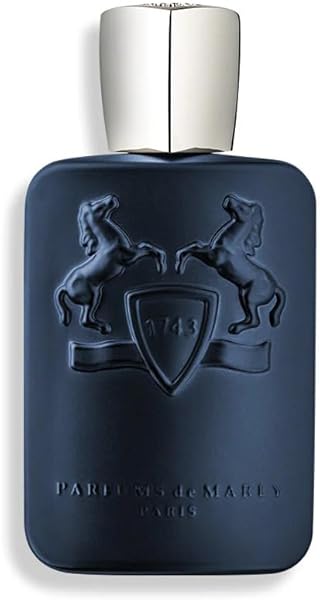
Opens with a bright bergamot-apple accord that's crisp without being candied, then softens quickly as geranium and jasmine push it into a clean floral heart with real warmth. The dry-down is where it earns its reputation — vanilla and sandalwood settle into a creamy, slightly sweet base that projects confidently for hours without going loud. Sillage is generous but controlled, leaving a smooth gourmand-woody trail that reads polished rather than heavy — a year-round crowd-pleaser best suited to dates, offices, or anywhere a well-composed masculine makes an impression.
How they overlap
Tuscan Leather and Layton share exactly one note (jasmine). The overlap is real but narrow — most of the wear experience will diverge.
The buying decision
Layton is the cheaper original at $400 compared to $460 for Tuscan Leather — about 13% less. Layton covers 4 seasons (spring, summer, fall, winter) — wider weather range than Tuscan Leather, which leans fall/winter-only.
Free: The 30 Best-Tested Dupes Under $40
A community-scored cheat sheet you can download now — 30 designer scents matched for under $40, ranked by accuracy and longevity.