Tuscan Leather vs Black Opium
Side by side. Scored honestly.
← Compare different fragrances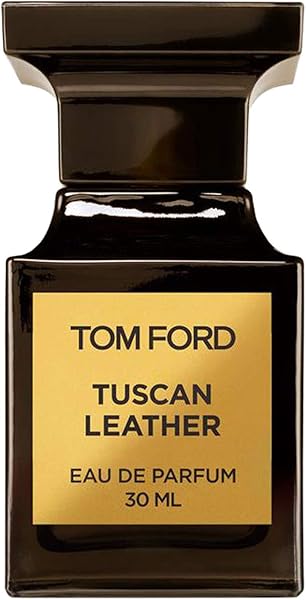
Side by side
Comparing the originals — price, breadth, listed-note depth.
Opens with a sharp, slightly tart raspberry cut through by metallic saffron — not sweet, more like blood and spice. Thyme adds a dry herbal edge before the heart pivots hard into leather: raw, almost animalic, the kind that smells like hide rather than a jacket. Jasmine softens without feminizing it. The dry-down settles into a warm amber-olibanum base that anchors the leather for hours. Projection is assertive but never screaming; sillage lingers close and dark — Built for cold weather and anyone who wants to smell expensive and slightly dangerous.
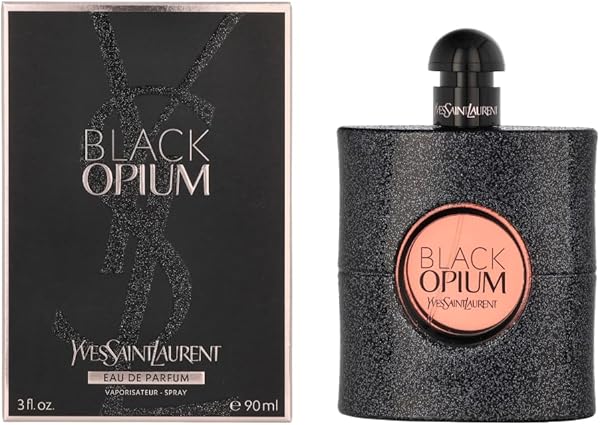
Opens with a sharp snap of pink pepper before coffee rushes in and dominates the heart alongside jasmine and orange blossom — not a clean floral coffee but something roasted and slightly dark. Projection is bold for the first few hours, with heavy sillage that announces itself in a room. The dry-down softens considerably as vanilla takes over, with patchouli grounding it just enough to avoid pure sweetness. Warm, enveloping, and unsubtle — best worn on cool evenings by anyone who wants to be noticed before they walk in.
How they overlap
Tuscan Leather and Black Opium share exactly one note (jasmine). The overlap is real but narrow — most of the wear experience will diverge.
The buying decision
Black Opium is the cheaper original at $135 compared to $435 for Tuscan Leather — about 69% less. Both wear best across the same fall/winter — they're interchangeable on weather fit.
Recommendation
If you're price-sensitive, Black Opium delivers comparable territory at $300 less than Tuscan Leather. If you want the specific character of Tuscan Leather — the prose above is the better guide than the price — the premium is what you're paying for.