Bright Crystal EDT vs Pour Homme
Side by side. Scored honestly.
← Compare different fragrances
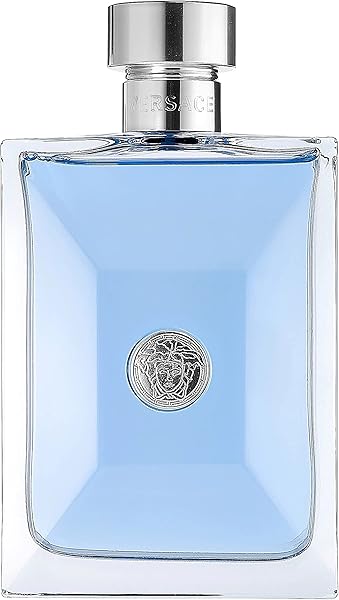
Side by side
Comparing the originals — price, breadth, listed-note depth.
Opens with a fizzy yuzu-pomegranate burst that's tart and clean without being sharp, then settles quickly into a soft peony-magnolia heart — the real core of the fragrance. Lotus adds a watery coolness that keeps it from reading too powdery, while the magnolia stays creamy rather than heavy. Projection is modest; sillage is close to skin by the dry-down, which fades to a light, barely-there musk. It's well-behaved almost to a fault — pleasant but undemanding — ideal for warm-weather office wear or anyone who wants a crowd-safe floral that won't announce itself across a room.
Bergamot and neroli open clean and slightly tart, with lemon keeping things bright without veering into cleaning-product territory. The heart softens into a well-balanced accord of rose, hyacinth, and clary sage — floral but never feminine, with geranium adding a faint green sharpness that keeps the composition grounded. Cedar anchors the dry-down to something genuinely woody rather than synthetic, while musk trails quietly with moderate sillage. Projection is polite — noticeable but never loud — and longevity sits around four to six hours. — A reliable warm-weather daily driver, best suited to office environments or casual social settings where subtlety reads as confidence.
How they overlap
Bright Crystal EDT and Pour Homme share exactly one note (musk). The overlap is real but narrow — most of the wear experience will diverge.
The buying decision
Bright Crystal EDT is the cheaper original at $80 compared to $85 for Pour Homme — about 6% less. Pour Homme covers 3 seasons (spring, summer, fall) — wider weather range than Bright Crystal EDT, which leans spring/summer-only. Heads up: Bright Crystal EDT is marketed feminine, Pour Homme is marketed masculine — they target different wearers, though plenty of buyers cross those lines.
Free: The 30 Best-Tested Dupes Under $40
A community-scored cheat sheet you can download now — 30 designer scents matched for under $40, ranked by accuracy and longevity.