Eros vs Pour Homme
Side by side. Scored honestly.
← Compare different fragrances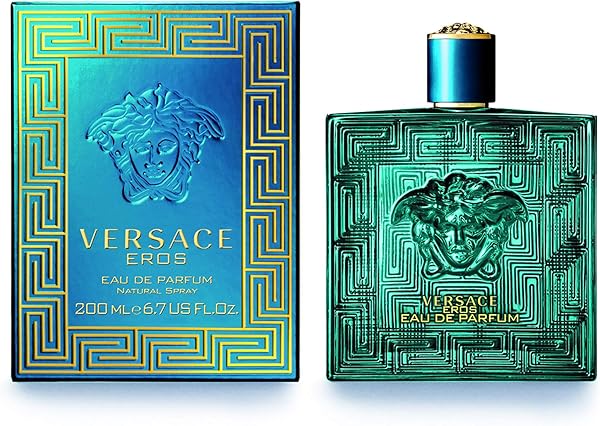
Side by side
Comparing the originals — price, breadth, listed-note depth.
Opens with a sharp blast of cool mint riding over green apple and a squeeze of lemon — clean, almost edible, with real presence. The heart settles into sweet ambroxan with tonka bean and vanilla pushing warmth underneath, shifting the whole thing from fresh to softly gourmand without losing its crispness. Vetiver and oakmoss keep the dry-down grounded so it never turns cloying. Projection is loud early, then settles into a skin-hugging sillage that carries for hours — Spring and summer nights out, best on someone who leans into bold rather than understated.
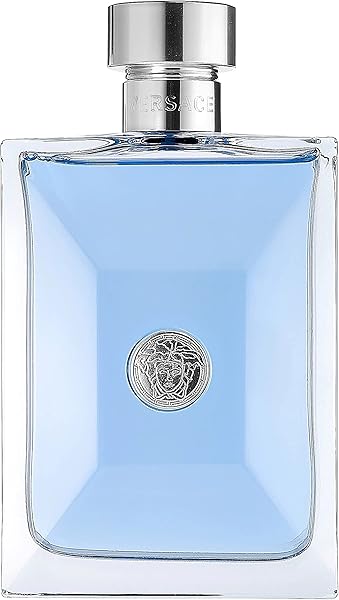
Bergamot and neroli open clean and slightly tart, with lemon keeping things bright without veering into cleaning-product territory. The heart softens into a well-balanced accord of rose, hyacinth, and clary sage — floral but never feminine, with geranium adding a faint green sharpness that keeps the composition grounded. Cedar anchors the dry-down to something genuinely woody rather than synthetic, while musk trails quietly with moderate sillage. Projection is polite — noticeable but never loud — and longevity sits around four to six hours. — A reliable warm-weather daily driver, best suited to office environments or casual social settings where subtlety reads as confidence.
How they overlap
Eros and Pour Homme share exactly one note (lemon). The overlap is real but narrow — most of the wear experience will diverge.
The buying decision
Pour Homme is the cheaper original at $85 compared to $110 for Eros — about 23% less. Both wear best across the same spring/summer/fall — they're interchangeable on weather fit.