Pour Homme vs Versense
Side by side. Scored honestly.
← Compare different fragrances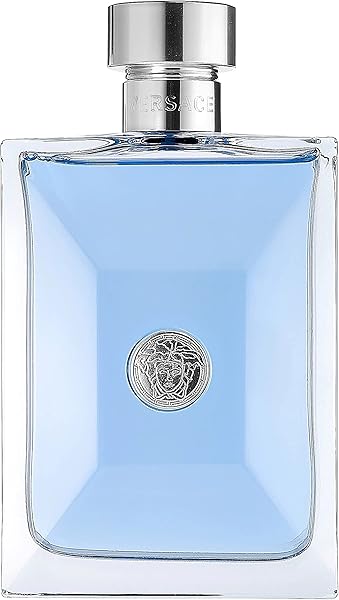

Side by side
Comparing the originals — price, breadth, listed-note depth.
Bergamot and neroli open clean and slightly tart, with lemon keeping things bright without veering into cleaning-product territory. The heart softens into a well-balanced accord of rose, hyacinth, and clary sage — floral but never feminine, with geranium adding a faint green sharpness that keeps the composition grounded. Cedar anchors the dry-down to something genuinely woody rather than synthetic, while musk trails quietly with moderate sillage. Projection is polite — noticeable but never loud — and longevity sits around four to six hours. — A reliable warm-weather daily driver, best suited to office environments or casual social settings where subtlety reads as confidence.
Opens with a bright citrus burst — bergamot and mandarin cut with the green, slightly milky edge of fig and pear — that settles quickly into a soft floral heart where lily and jasmine take the lead, kept from being too sweet by a whisper of cardamom spice. The dry-down is understated: sandalwood and cedar give it a clean woody base with a musky skin finish. Projection is modest; sillage stays close. — Casual warm-weather wear for anyone who wants clean and feminine without demanding attention.
How they overlap
Pour Homme and Versense share 3 notes (bergamot, cedar, musk). The same note name doesn't always mean the same scent — different houses use different vanillas, different woods, different musks — but a multi-note shared spine usually does indicate genuinely-comparable wear character. The remaining notes (6 unique to Pour Homme, 7 unique to Versense) are where the divergence happens.
The buying decision
Versense is the cheaper original at $75 compared to $85 for Pour Homme — about 12% less. Pour Homme covers 3 seasons (spring, summer, fall) — wider weather range than Versense, which leans spring/summer-only. Heads up: Pour Homme is marketed masculine, Versense is marketed feminine — they target different wearers, though plenty of buyers cross those lines.
Free: The 30 Best-Tested Dupes Under $40
A community-scored cheat sheet you can download now — 30 designer scents matched for under $40, ranked by accuracy and longevity.