Dear Polly vs Aventus
Side by side. Scored honestly.
← Compare different fragrances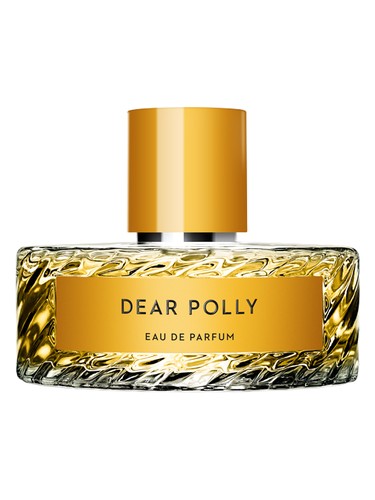
Dear Polly

Side by side
Comparing the originals — price, breadth, listed-note depth.
Bergamot opens clean and citrus-bright before violet and iris take over quickly — powdery, cool, and slightly waxy in that old-school floral way. Mimosa adds a soft honeyed buzz while tuberose keeps it from going too starchy. The dry-down is where it earns its price: vetiver and sandalwood pull the powder earthward into something genuinely dry and textured, with a musk that holds close rather than broadcasting. Moderate projection, intimate sillage, lasts a solid six hours on skin — A spring-to-summer wear for anyone who likes florals with actual bone structure.
Opens with a sharp, almost candied pineapple sliced through by bright bergamot — fruity but never soft. The blackcurrant adds a tart edge that keeps the opening from tipping sweet. As it settles, birch smoke moves in and anchors the heart with a clean, almost leathery dryness. The dry-down is where it earns its reputation: patchouli and oakmoss ground everything into a cool, woody base with genuine depth and restrained sillage that lingers without broadcasting. Projection is confident but not aggressive — a close-range statement. — Best worn spring through fall by anyone who wants a versatile, polished masculine that works as well in a boardroom as at a bar.
How they overlap
Dear Polly and Aventus share exactly one note (bergamot). The overlap is real but narrow — most of the wear experience will diverge.
The buying decision
Dear Polly is the cheaper original at $245 compared to $475 for Aventus — about 48% less. Aventus covers 3 seasons (spring, summer, fall) — wider weather range than Dear Polly, which leans spring/summer-only.
Recommendation
If you're price-sensitive, Dear Polly delivers comparable territory at $230 less than Aventus. If you want the specific character of Aventus — the prose above is the better guide than the price — the premium is what you're paying for.