Casamorati 1888 vs Naxos
Side by side. Scored honestly.
← Compare different fragrances
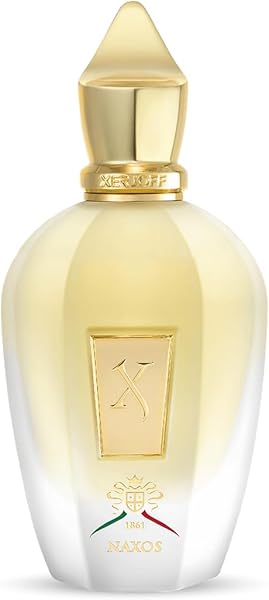
Side by side
Comparing the originals — price, breadth, listed-note depth.
Bergamot opens bright and citrus-clean but moves quickly, handing off to a heart of rose and iris that reads as powdery and slightly cool — classic and composed rather than lush. Patchouli gives the whole thing a dry, earthy backbone that keeps the vanilla from going sweet or cloying, while sandalwood and musk anchor the dry-down into a warm, skin-close finish. Projection is moderate and well-behaved; sillage lingers gently without announcing itself across a room — a refined, date-night or office-appropriate wear for fall and winter, best suited to anyone who wants polished warmth without drama.
Opens with a clean, almost herbal lavender that dissolves quickly into a rich honey-tobacco heart — warm, slightly smoky, with the tonka bean rounding off any harshness. As it settles, vanilla and cedarwood anchor the dry-down into a dense, skin-close sweetness that reads more sophisticated than candy. Projection is generous in the first few hours before pulling into a soft, clinging sillage that lasts well into the next day. Nothing sharp or abrasive; it moves like something expensive — Autumn and winter evenings, for someone who wants gourmand warmth without smelling like a bakery.
How they overlap
Casamorati 1888 and Naxos share exactly one note (vanilla). The overlap is real but narrow — most of the wear experience will diverge.
The buying decision
Casamorati 1888 is the cheaper original at $195 compared to $440 for Naxos — about 56% less. Casamorati 1888 covers 3 seasons (fall, winter, spring) — wider weather range than Naxos, which leans fall/winter-only.
Recommendation
If you're price-sensitive, Casamorati 1888 delivers comparable territory at $245 less than Naxos. If you want the specific character of Naxos — the prose above is the better guide than the price — the premium is what you're paying for.