Libre Le Parfum vs Black Opium
Side by side. Scored honestly.
← Compare different fragrances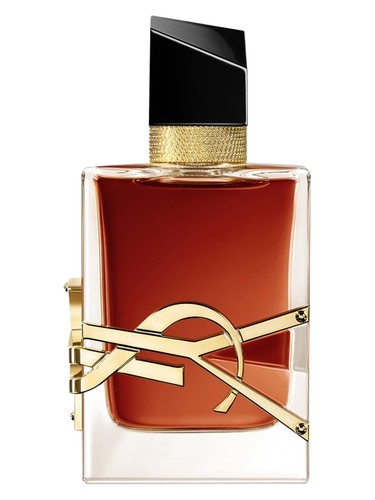
Side by side
Comparing the originals — price, breadth, listed-note depth.
Lavender opens things with unusual authority — not soft or herbal, but almost smoky and medicinal in the best way, immediately anchored by orange blossom that keeps it warm rather than cold. The heart blossoms into jasmine, creamy and full without going soapy, before vanilla and tonka bean take over the dry-down with a dense, skin-close sweetness. Ambergris adds a faintly salty, oceanic heft; cedar keeps it from collapsing into pure gourmand. Projection is moderate but the sillage lingers richly for hours — this is a close-in sillage, not a room-filler. — A date-night or dressed-up autumn wear for someone who wants sweet but not girlish.
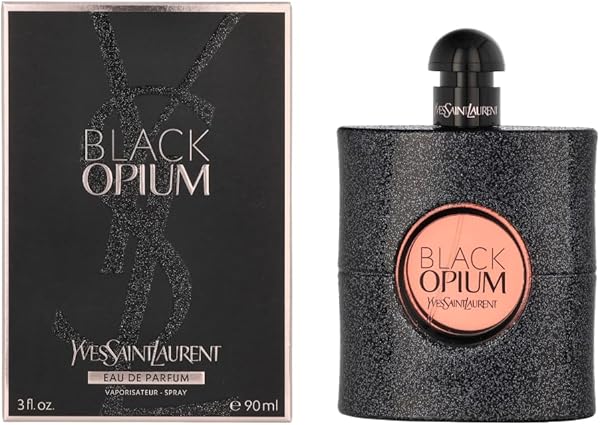
Opens with a sharp snap of pink pepper before coffee rushes in and dominates the heart alongside jasmine and orange blossom — not a clean floral coffee but something roasted and slightly dark. Projection is bold for the first few hours, with heavy sillage that announces itself in a room. The dry-down softens considerably as vanilla takes over, with patchouli grounding it just enough to avoid pure sweetness. Warm, enveloping, and unsubtle — best worn on cool evenings by anyone who wants to be noticed before they walk in.
How they overlap
Libre Le Parfum and Black Opium share 3 notes (orange blossom, jasmine, vanilla). The same note name doesn't always mean the same scent — different houses use different vanillas, different woods, different musks — but a multi-note shared spine usually does indicate genuinely-comparable wear character. The remaining notes (5 unique to Libre Le Parfum, 3 unique to Black Opium) are where the divergence happens.
The buying decision
Black Opium is the cheaper original at $135 compared to $170 for Libre Le Parfum — about 21% less. Both wear best across the same fall/winter — they're interchangeable on weather fit.