Memoir Man vs Interlude Man
Side by side. Scored honestly.
← Compare different fragrances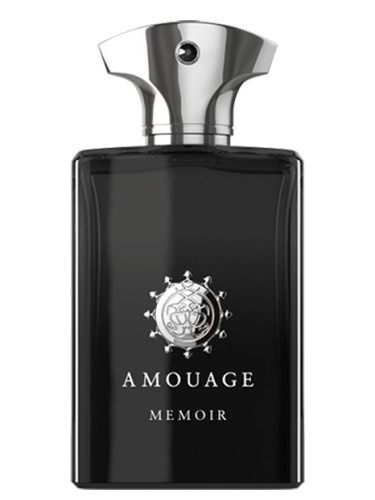

Side by side
Comparing the originals — price, breadth, listed-note depth.
Opens with a sharp, medicinal jolt of absinthe and wormwood cut by bergamot — herbal, bitter, almost aggressive. The heart softens that edge into dry frankincense and cool orris without losing the aromatic tension. By dry-down, leather and vetiver settle into a smoky, rooty base with moss adding a dark, slightly damp depth. Projection is commanding early on, pulling back to a close, intimate sillage by the later hours. Dense and cerebral rather than crowd-pleasing — for fall and winter evenings when you want to fill a room with intent.
Opens with a sharp bergamot cut through thick incense smoke — almost abrasive in the first ten minutes, intentionally so. The heart settles into a dense, resinous opoponax-amber core that reads sweet but never cloying, held in check by dry leather. The oud arrives in the dry-down as a smoky, woody anchor rather than a medicinal note. Projection is substantial for the first few hours before pulling into a close, persistent sillage of smoke, amber, and worn leather — this is a slow-burn composition built for patience. — Cold-weather evenings, formal or date settings, best suited to someone who wants to be noticed without announcing themselves loudly.
How they overlap
Memoir Man and Interlude Man share 2 notes (bergamot, leather). The same note name doesn't always mean the same scent — different houses use different vanillas, different woods, different musks — but a multi-note shared spine usually does indicate genuinely-comparable wear character. The remaining notes (6 unique to Memoir Man, 4 unique to Interlude Man) are where the divergence happens.
The buying decision
Memoir Man is the cheaper original at $325 compared to $375 for Interlude Man — about 13% less. Both wear best across the same fall/winter — they're interchangeable on weather fit.