Code vs Code Profumo
Side by side. Scored honestly.
← Compare different fragrances
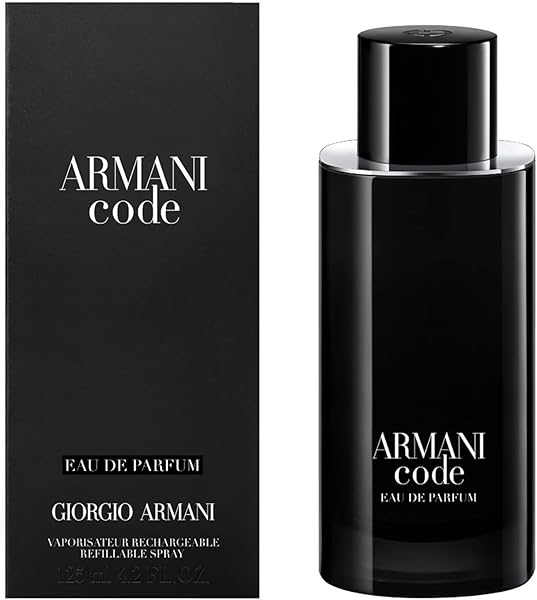
Side by side
Comparing the originals — price, breadth, listed-note depth.
Bergamot and cardamom open bright and slightly spiced before the heart settles into a warm, skin-close blend of orange blossom and a faintly bitter olive note that keeps it from tipping sweet. Tobacco and leather emerge slowly in the dry-down — never sharp, more like worn suede than raw hide — giving it a quiet, intimate sillage that stays close to skin rather than announcing itself across a room. Projection is moderate; this rewards closeness. — Best worn on cool evenings by anyone who wants warmth without weight.
Opens with a clean citrus burst — bergamot and lemon that read bright but brief — before settling quickly into its real identity: a warm, resinous amber wrapped around tonka bean's soft vanilla-almond sweetness. The leather is present but polished, more suggestion than edge, while sandalwood and musk anchor a dry-down that's smooth, dense, and skin-close. Projection is moderate, sillage intimate rather than commanding — a slow-burn oriental that rewards proximity over distance — Made for cool evenings, close quarters, and anyone who wants to smell expensive without announcing it.
How they overlap
Code and Code Profumo share 2 notes (bergamot, leather). The same note name doesn't always mean the same scent — different houses use different vanillas, different woods, different musks — but a multi-note shared spine usually does indicate genuinely-comparable wear character. The remaining notes (4 unique to Code, 5 unique to Code Profumo) are where the divergence happens.
The buying decision
Code is the cheaper original at $90 compared to $125 for Code Profumo — about 28% less. Both wear best across the same fall/winter — they're interchangeable on weather fit.
Free: The 30 Best-Tested Dupes Under $40
A community-scored cheat sheet you can download now — 30 designer scents matched for under $40, ranked by accuracy and longevity.