Bleecker St vs Greenwich Village
Side by side. Scored honestly.
← Compare different fragrances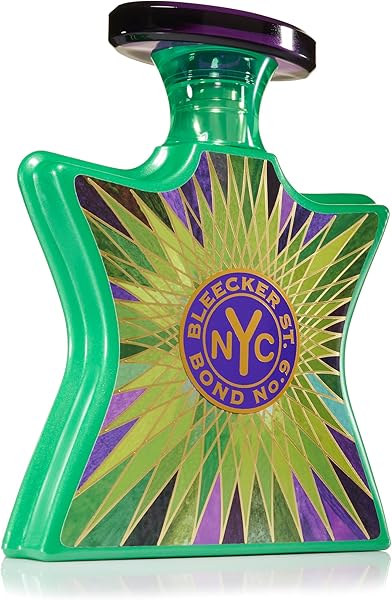
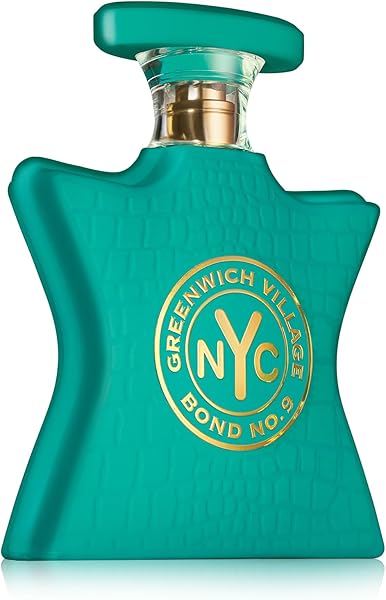
Side by side
Comparing the originals — price, breadth, listed-note depth.
Bergamot and grapefruit open clean and bright, lifted by pink pepper that keeps things from tipping into generic citrus territory. The heart is where it earns its price — iris brings a cool, slightly powdery softness that blends into cedarwood with real elegance. The dry-down settles into amber and musk, warm but never heavy, leaving a smooth woody skin-scent with decent sillage and moderate projection that fades gradually over several hours — best worn in cooler months or transitional weather by anyone who wants an understated, polished daily driver.
Opens with a bright, slightly tart bergamot cut through by a crackling pink pepper that gives the opening real edge without tipping into aggression. The heart softens around a powdery, rooty iris that keeps things sophisticated rather than sweet. Dry-down is where it earns its keep: vetiver brings an earthy coolness, grounded by warm sandalwood and a clean musk that lingers at moderate sillage for hours. Projection is polished and medium — present but never loud — finishing as a soft woody skin scent — ideal for autumn and spring office wear, equally wearable by anyone who likes structure without severity.
How they overlap
Bleecker St and Greenwich Village share 4 notes (bergamot, pink pepper, iris, musk). The same note name doesn't always mean the same scent — different houses use different vanillas, different woods, different musks — but a multi-note shared spine usually does indicate genuinely-comparable wear character. The remaining notes (3 unique to Bleecker St, 2 unique to Greenwich Village) are where the divergence happens.
The buying decision
Bleecker St is the cheaper original at $275 compared to $285 for Greenwich Village — about 4% less. Bleecker St covers 3 seasons (spring, summer, fall) — wider weather range than Greenwich Village, which leans spring/fall-only.