Brooklyn vs Bleecker St
Side by side. Scored honestly.
← Compare different fragrances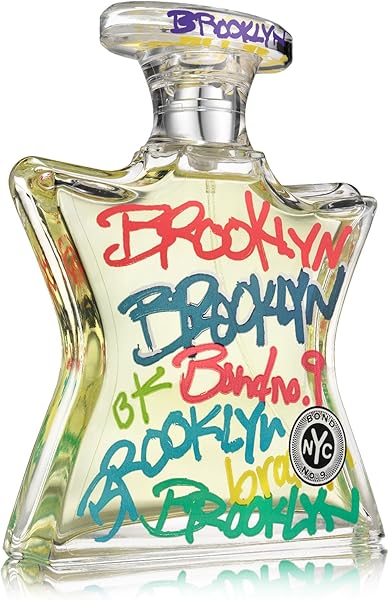
Side by side
Comparing the originals — price, breadth, listed-note depth.
Opens with a sharp, resinous juniper cut through by tart grapefruit — brisk and almost medicinal before cardamom warms things down. The heart settles into dry leather with genuine bite, not the soft suede many masculines default to. Vetiver and cedarwood anchor the dry-down into something earthy and low-lit, while musk keeps projection intimate rather than broadcasting. Sillage is modest; this works close to the skin rather than filling a room — a fall and winter wear for someone who prefers understated grit over sweetness.
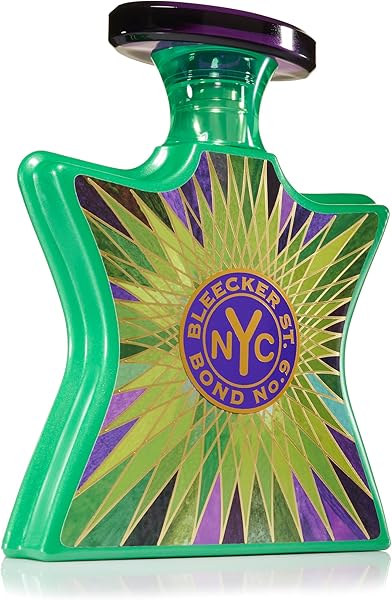
Bergamot and grapefruit open clean and bright, lifted by pink pepper that keeps things from tipping into generic citrus territory. The heart is where it earns its price — iris brings a cool, slightly powdery softness that blends into cedarwood with real elegance. The dry-down settles into amber and musk, warm but never heavy, leaving a smooth woody skin-scent with decent sillage and moderate projection that fades gradually over several hours — best worn in cooler months or transitional weather by anyone who wants an understated, polished daily driver.
How they overlap
Brooklyn and Bleecker St share 3 notes (grapefruit, cedarwood, musk). The same note name doesn't always mean the same scent — different houses use different vanillas, different woods, different musks — but a multi-note shared spine usually does indicate genuinely-comparable wear character. The remaining notes (4 unique to Brooklyn, 4 unique to Bleecker St) are where the divergence happens.
The buying decision
Brooklyn is the cheaper original at $195 compared to $275 for Bleecker St — about 29% less.