Central Park vs Bleecker St
Side by side. Scored honestly.
← Compare different fragrances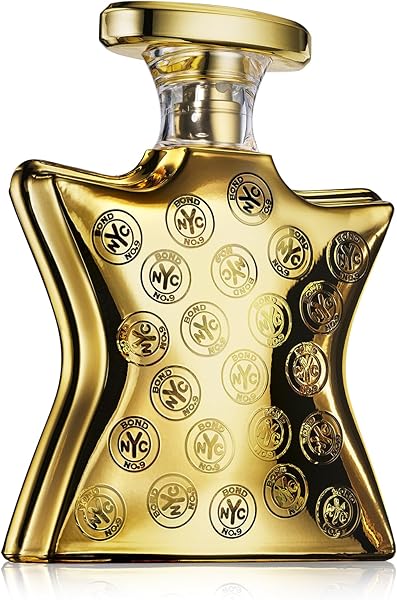
Side by side
Comparing the originals — price, breadth, listed-note depth.
Opens with a bright, slightly bitter grapefruit that clears quickly, letting green tea carry the transition into the heart — clean and faintly grassy, tempering the jasmine and rose so neither turns powdery or heavy. The florals stay restrained and airy rather than lush. The dry-down lands on soft cedarwood and musk, giving it just enough warmth to avoid smelling purely aquatic. Projection is modest and sillage stays close to skin, making it polished rather than assertive — a low-effort, reliable warm-weather wear for anyone who wants clean florals without commitment.
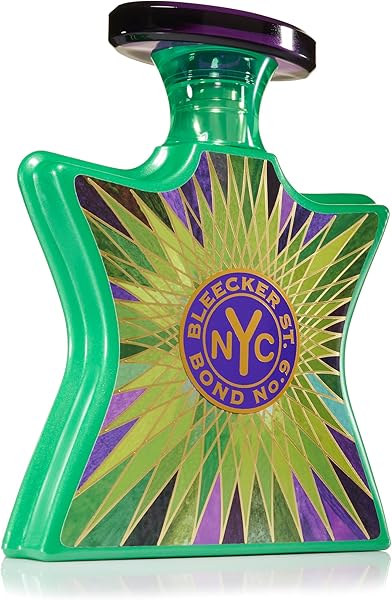
Bergamot and grapefruit open clean and bright, lifted by pink pepper that keeps things from tipping into generic citrus territory. The heart is where it earns its price — iris brings a cool, slightly powdery softness that blends into cedarwood with real elegance. The dry-down settles into amber and musk, warm but never heavy, leaving a smooth woody skin-scent with decent sillage and moderate projection that fades gradually over several hours — best worn in cooler months or transitional weather by anyone who wants an understated, polished daily driver.
How they overlap
Central Park and Bleecker St share 3 notes (grapefruit, cedarwood, musk). The same note name doesn't always mean the same scent — different houses use different vanillas, different woods, different musks — but a multi-note shared spine usually does indicate genuinely-comparable wear character. The remaining notes (3 unique to Central Park, 4 unique to Bleecker St) are where the divergence happens.
The buying decision
Central Park is the cheaper original at $195 compared to $275 for Bleecker St — about 29% less.