Goddess EDP vs Hero EDT
Side by side. Scored honestly.
← Compare different fragrances
Side by side
Comparing the originals — price, breadth, listed-note depth.
Lavender opens soft and slightly powdery before the vanilla orchid and amber pull it into warmer, creamier territory. The heart settles into a skin-close gourmand haze — sweet but not cloying, with sandalwood adding just enough dry depth to keep it from reading as pure dessert. Projection is moderate; sillage stays intimate. The dry-down is the best part: a warm, musky vanilla that clings for hours without announcing itself. Clean but sensual, simple in the best way — fall and winter evenings, for anyone who wants to smell effortlessly good without trying too hard.
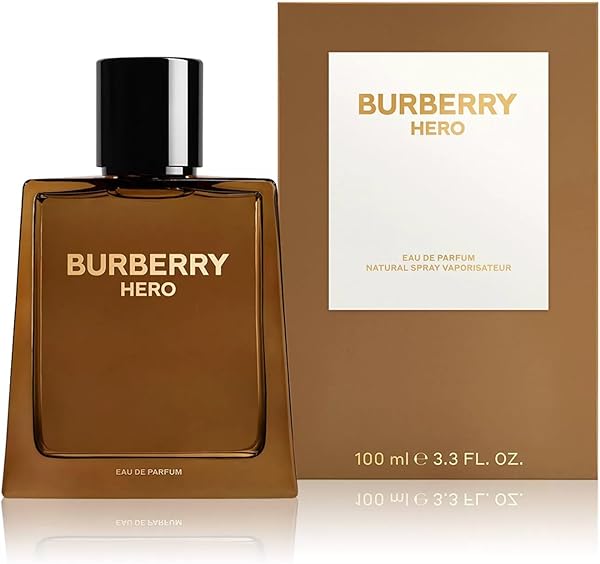
Bergamot and cardamom open bright and slightly spiced, but they're quick — the iris moves in fast and stays, a cool, powdery-earthy iris with real presence rather than a soft background gesture. Cedarwood anchors it without turning dry or sharp, and ambroxan adds a skin-level warmth that keeps the whole thing from reading clinical. Sillage is moderate; this projects enough to register without announcing itself. The dry-down is smooth, woody-musky, and linear — it doesn't evolve dramatically, but it wears cleanly for hours — A polished daily wear for cooler months, suited to professional or smart-casual settings where understated confidence is the point.
How they overlap
Goddess EDP and Hero EDT share exactly one note (musk). The overlap is real but narrow — most of the wear experience will diverge.
The buying decision
Hero EDT is the cheaper original at $95 compared to $110 for Goddess EDP — about 14% less. Goddess EDP is built for fall/winter; Hero EDT for spring/summer/fall. Pick by when you'd actually wear it. Heads up: Goddess EDP is marketed feminine, Hero EDT is marketed masculine — they target different wearers, though plenty of buyers cross those lines.