Touch for Men vs Goddess EDP
Side by side. Scored honestly.
← Compare different fragrances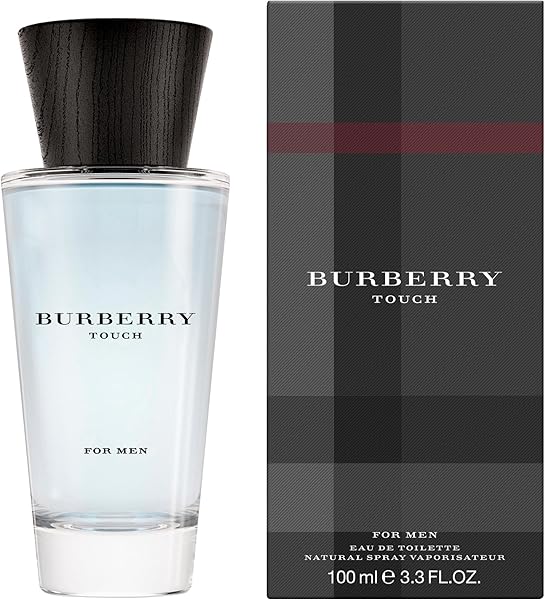

Side by side
Comparing the originals — price, breadth, listed-note depth.
Opens with a slightly sharp, herbal bite from artemisia before cardamom warms things up within minutes. The heart settles into cool blue spruce against dry cedar — clean but never barbershop bland. Amber and sandalwood pull the dry-down into something genuinely warm without tipping into sweetness, and the musk keeps projection modest, close-to-skin by the third hour. Sillage is polite rather than commanding. — A reliable cold-weather office or date-night choice for someone who wants woody warmth without demanding attention.
Lavender opens soft and slightly powdery before the vanilla orchid and amber pull it into warmer, creamier territory. The heart settles into a skin-close gourmand haze — sweet but not cloying, with sandalwood adding just enough dry depth to keep it from reading as pure dessert. Projection is moderate; sillage stays intimate. The dry-down is the best part: a warm, musky vanilla that clings for hours without announcing itself. Clean but sensual, simple in the best way — fall and winter evenings, for anyone who wants to smell effortlessly good without trying too hard.
How they overlap
Touch for Men and Goddess EDP share 3 notes (musk, amber, sandalwood). The same note name doesn't always mean the same scent — different houses use different vanillas, different woods, different musks — but a multi-note shared spine usually does indicate genuinely-comparable wear character. The remaining notes (4 unique to Touch for Men, 3 unique to Goddess EDP) are where the divergence happens.
The buying decision
Touch for Men is the cheaper original at $85 compared to $110 for Goddess EDP — about 23% less. Both wear best across the same fall/winter — they're interchangeable on weather fit. Heads up: Touch for Men is marketed masculine, Goddess EDP is marketed feminine — they target different wearers, though plenty of buyers cross those lines.