Eau Parfumee au The Blanc vs Aqva Pour Homme
Side by side. Scored honestly.
← Compare different fragrances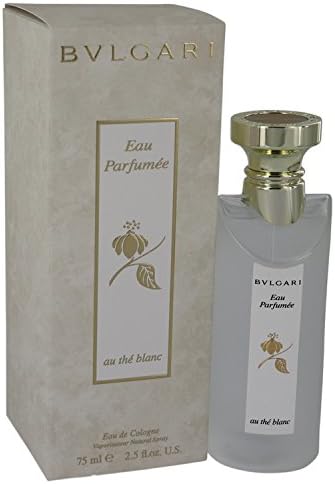

Side by side
Comparing the originals — price, breadth, listed-note depth.
Opens with a crisp bergamot and petitgrain bite that fades quickly into the quiet, almost watery quality of white tea — clean without being soapy, slightly astringent in the best way. Jasmine surfaces in the heart but stays muted, more texture than flower. The dry-down is soft musk and a whisper of cedar, barely there but enough to anchor it. Projection is deliberately low; sillage stays skin-close throughout. It wears like clean air rather than perfume — Ideal for warm-weather office wear or anyone who wants to smell polished without announcing themselves.
Opens with a sharp, slightly bitter petitgrain cut through by bright mandarin, giving it an almost citrus-soapy snap that reads clean without being generic. The heart pulls toward the sea — seaweed and posidonia lend a cool, saline minerality that feels genuinely aquatic rather than synthetic. Santolina adds a quiet herbal dryness that keeps it from turning watery. The cedar-musk-amber dry-down is modest, skin-close, and warm without weight. Projection is light to moderate; sillage fades quickly into a soft personal trail — Best worn in heat, for anyone who wants a no-effort, inoffensive summer skin scent.
How they overlap
Eau Parfumee au The Blanc and Aqva Pour Homme share 3 notes (petitgrain, cedar, musk). The same note name doesn't always mean the same scent — different houses use different vanillas, different woods, different musks — but a multi-note shared spine usually does indicate genuinely-comparable wear character. The remaining notes (3 unique to Eau Parfumee au The Blanc, 5 unique to Aqva Pour Homme) are where the divergence happens.
The buying decision
Aqva Pour Homme is the cheaper original at $90 compared to $125 for Eau Parfumee au The Blanc — about 28% less. Both wear best across the same spring/summer — they're interchangeable on weather fit.