Man Black Orient vs Man in Black
Side by side. Scored honestly.
← Compare different fragrances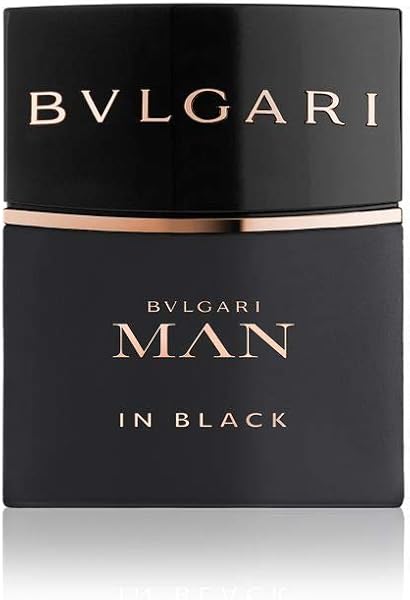
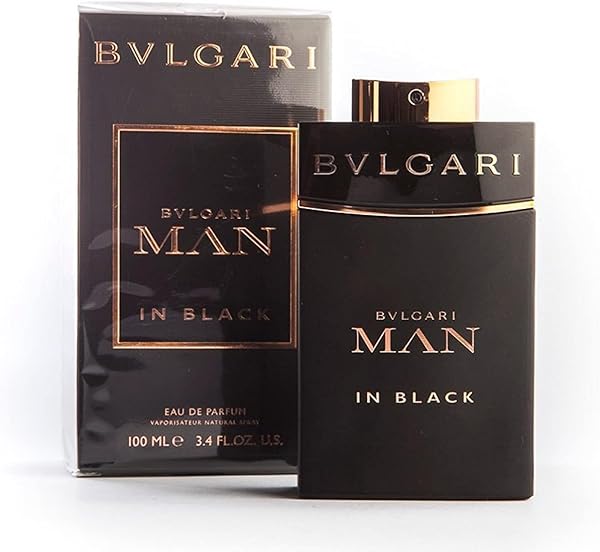
Side by side
Comparing the originals — price, breadth, listed-note depth.
Opens with a boozy rum that's sweet but not sticky, quickly folding into a smoky incense-laced oud that forms the core. The heart is dense — amber and benzoin push the sweetness deeper while sandalwood smooths the rougher edges of the oud. Dry-down is long, resinous, and warm without turning powdery. Projection is moderate but sillage lingers well past the first hour, leaving a trail of sweetened smoke and soft wood — best worn on cold nights when something heavy and unapologetically dark fits the moment.
Opens with a sharp, boozy rum that smells almost edible, cut almost immediately by smoky cardamom and a whisper of iris keeping it from tipping into dessert territory. The heart is where it gets interesting — tuberose adds a creamy, slightly medicinal richness that shouldn't work against leather but somehow does. The dry-down is deep and resinous: tonka, benzoin, and guaiac settle into a warm, almost syrupy base with real staying power. Projection is confident without being aggressive; sillage lingers for hours — Best worn on cold nights when you want to fill the room before you've said a word.
How they overlap
Man Black Orient and Man in Black share 2 notes (rum, benzoin). The same note name doesn't always mean the same scent — different houses use different vanillas, different woods, different musks — but a multi-note shared spine usually does indicate genuinely-comparable wear character. The remaining notes (4 unique to Man Black Orient, 6 unique to Man in Black) are where the divergence happens.
The buying decision
Man in Black is the cheaper original at $130 compared to $145 for Man Black Orient — about 10% less. Both wear best across the same fall/winter — they're interchangeable on weather fit.