212 vs Bad Boy
Side by side. Scored honestly.
← Compare different fragrances
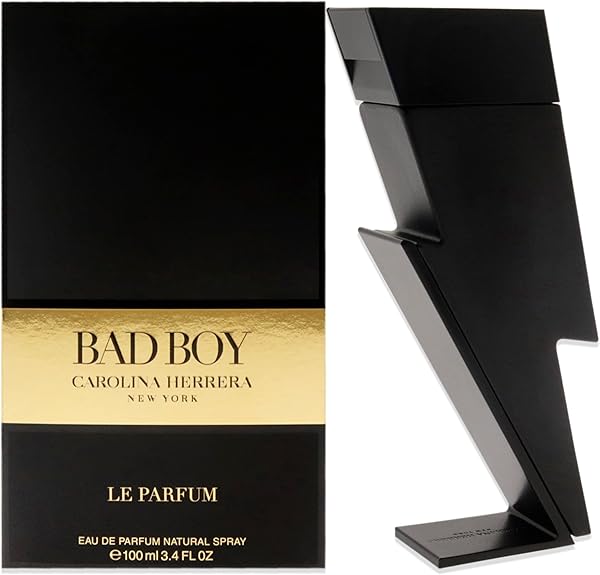
Side by side
Comparing the originals — price, breadth, listed-note depth.
Cardamom and ginger hit sharp and bright in the opening, giving it a spiced, slightly medicinal edge that reads more angular than sweet. As it settles, cedar grounds the heart with a dry woodiness that keeps things clean rather than dark, while amber starts threading through with a soft warmth. The dry-down goes quiet — amber and musk doing most of the work at low sillage, leaving a skin-close, subtly spiced warmth. Projection is modest throughout; this works up-close, not across the room — Best worn in cooler months by someone who wants spice without sweetness, ideal for professional or evening settings.
Bergamot and pepper cut through sharply on the opening, then yield quickly to a rich cacao-tonka heart that reads more dark chocolate than candy-sweet. Cedar anchors the dry-down with a dry, slightly smoky woodiness while amber rounds the edges without going soft. Projection is moderate to strong in the first few hours, leaving a warm, gourmand-woody sillage that clings close by evening. The overall effect is polished darkness — sophisticated rather than aggressive — best worn in fall and winter evenings, suited to men who want something confident but not overwhelming.
How they overlap
212 and Bad Boy share 2 notes (amber, cedar). The same note name doesn't always mean the same scent — different houses use different vanillas, different woods, different musks — but a multi-note shared spine usually does indicate genuinely-comparable wear character. The remaining notes (3 unique to 212, 4 unique to Bad Boy) are where the divergence happens.
The buying decision
212 is the cheaper original at $65 compared to $110 for Bad Boy — about 41% less. Both wear best across the same fall/winter — they're interchangeable on weather fit.
Free: The 30 Best-Tested Dupes Under $40
A community-scored cheat sheet you can download now — 30 designer scents matched for under $40, ranked by accuracy and longevity.