Gabrielle Essence vs Bleu de Chanel Eau de Toilette
Side by side. Scored honestly.
← Compare different fragrances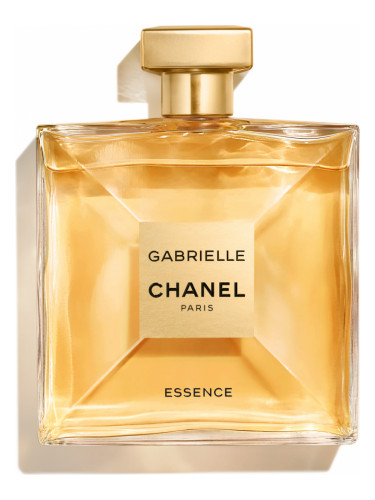

Side by side
Comparing the originals — price, breadth, listed-note depth.
Mandarin opens things with a clean citrus pop that fades quickly, handing off to a luminous jasmine-ylang ylang heart that's the real centerpiece — bright, slightly creamy, feminine without being cloying. The black currant adds a faint tartness that keeps the florals from going too soft. Sandalwood and musk anchor the dry-down into something warm and skin-close, with quiet sillage that stays personal rather than filling a room. Projection is polite throughout — never loud, always present. — A warm-weather daytime fragrance for someone who wants to smell effortlessly polished without announcing themselves.
Opens with a bright, slightly tart citrus burst cut through by a sharp bite of ginger — clean and immediate without being sweet. The heart softens quickly into cedar, giving it a dry, woody structure that keeps things grounded rather than pretty. The dry-down is where it earns its reputation: sandalwood and amber settle into a warm, skin-close haze, with musk holding everything together. Projection is moderate; sillage lingers without announcing itself — A year-round daily driver for someone who wants to smell put-together without trying too hard.
How they overlap
Gabrielle Essence and Bleu de Chanel Eau de Toilette share 2 notes (sandalwood, musk). The same note name doesn't always mean the same scent — different houses use different vanillas, different woods, different musks — but a multi-note shared spine usually does indicate genuinely-comparable wear character. The remaining notes (4 unique to Gabrielle Essence, 4 unique to Bleu de Chanel Eau de Toilette) are where the divergence happens.
The buying decision
Bleu de Chanel Eau de Toilette is the cheaper original at $95 compared to $185 for Gabrielle Essence — about 49% less. Heads up: Gabrielle Essence is marketed feminine, Bleu de Chanel Eau de Toilette is marketed masculine — they target different wearers, though plenty of buyers cross those lines.