No. 5 EDP vs Chance EDP
Side by side. Scored honestly.
← Compare different fragrances
Side by side
Comparing the originals — price, breadth, listed-note depth.
Opens with a bright, slightly sharp aldehydic lift that pushes the ylang-ylang and neroli forward in an almost clinical brightness — striking rather than pretty. The heart settles into an iconic powdery rose-jasmine accord, dense and soft, with the florals blurring together rather than reading as distinct flowers. Dry-down is warm sandalwood anchored by vanilla, adding just enough sweetness to keep it from feeling austere. Projection is confident without being aggressive; sillage lingers for hours as a clean floral powder — Best worn in cool weather for formal or office settings by anyone who wants presence without spectacle.
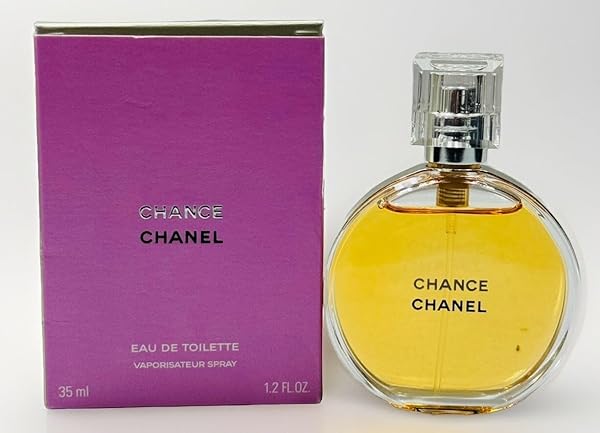
Opens with a bright, slightly spicy pop of pink pepper cutting through bergamot — clean and immediate without going sharp. The heart settles into jasmine that's polished rather than heady, with iris giving it a cool, powdery lift that keeps things from going too sweet. Amber and patchouli ease into the dry-down with warmth and just enough earthiness, grounded further by vetiver and a soft musk that stretches the sillage into something skin-close and persistent. Projection is moderate — present without demanding attention — Manhattan-ready for someone who wants a grown-up floral that leans more dressed than casual.
How they overlap
No. 5 EDP and Chance EDP share exactly one note (jasmine). The overlap is real but narrow — most of the wear experience will diverge.
The buying decision
Chance EDP is the cheaper original at $140 compared to $150 for No. 5 EDP — about 7% less. No. 5 EDP covers 3 seasons (spring, fall, winter) — wider weather range than Chance EDP, which leans spring/fall-only.
Free: The 30 Best-Tested Dupes Under $40
A community-scored cheat sheet you can download now — 30 designer scents matched for under $40, ranked by accuracy and longevity.