Original Vetiver vs Pure White Cologne
Side by side. Scored honestly.
← Compare different fragrances
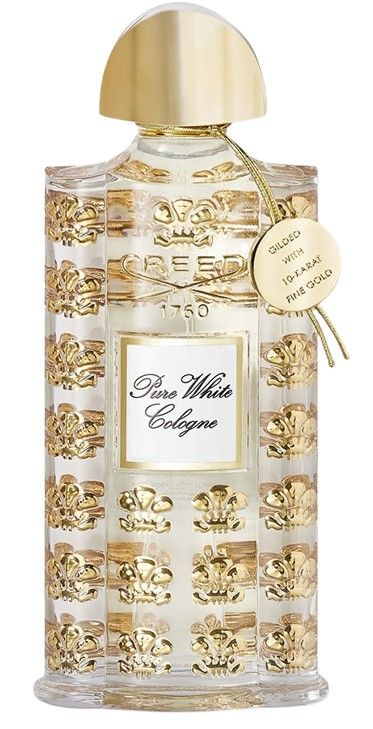
Side by side
Comparing the originals — price, breadth, listed-note depth.
Opens with a sharp, slightly bitter galbanum cut that clears fast, letting a clean, earthy vetiver take center stage within minutes. The heart is linear and composed — vetiver supported by dry cedar rather than pushed sweet or smoky. Sandalwood and amber soften the dry-down without turning it creamy, keeping the woody base cool and grounded. Projection is moderate and well-mannered; sillage stays close after a few hours, leaving a quiet musk trail. — Best in warm weather on anyone who wants a clean, no-fuss woody that reads polished without demanding attention.
Opens with a sharp, clean bite of mint layered over bright lemon and mandarin — citrus that reads as genuinely crisp rather than sweet. The heart softens quickly as jasmine comes through, adding a light floral dimension without turning soapy or powdery. Dry-down is where sandalwood and musk take over, grounding the whole thing in a warm, skin-close finish. Projection is modest; sillage stays polite and personal rather than filling a room — A warm-weather staple for anyone who wants clean and effortless without disappearing entirely.
How they overlap
Original Vetiver and Pure White Cologne share 2 notes (sandalwood, musk). The same note name doesn't always mean the same scent — different houses use different vanillas, different woods, different musks — but a multi-note shared spine usually does indicate genuinely-comparable wear character. The remaining notes (4 unique to Original Vetiver, 4 unique to Pure White Cologne) are where the divergence happens.
The buying decision
Original-bottle pricing is essentially identical ($310 vs $310), so the choice rarely comes down to upfront cost. Original Vetiver covers 3 seasons (spring, summer, fall) — wider weather range than Pure White Cologne, which leans spring/summer-only.
Free: The 30 Best-Tested Dupes Under $40
A community-scored cheat sheet you can download now — 30 designer scents matched for under $40, ranked by accuracy and longevity.