Viking vs Original Santal
Side by side. Scored honestly.
← Compare different fragrances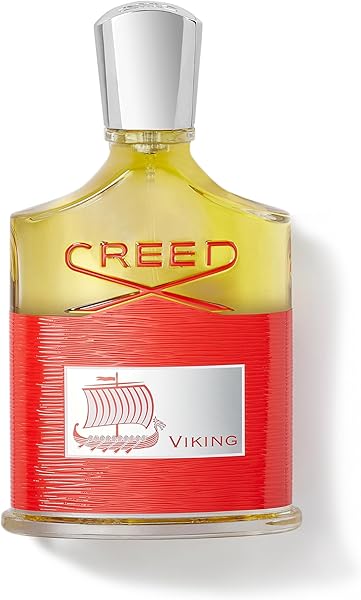

Side by side
Comparing the originals — price, breadth, listed-note depth.
Bergamot and mint hit first — clean, slightly sharp, more spa-fresh than bracing. Lavender and rose settle into the heart with a quiet elegance that keeps the floral side restrained rather than pretty; pink pepper adds a dry prickle without stealing focus. The dry-down is where it earns its price: cedar and vetiver ground everything into a smooth, slightly smoky wood base that wears close to skin but maintains steady sillage for five to six hours. Projection is moderate — present without demanding attention — Ideal for warm-weather office wear or a polished date-night option for someone who wants clean and composed over loud.
Opens with a bright bergamot-cardamom pop that fades quickly, handing things off to the real star: a creamy, almost edible sandalwood anchored by tonka bean and vanilla. The heart is smooth and warm rather than sharp or resinous — cedarwood adds quiet structure without competing. Dry-down is where it earns its keep, settling into a low, skin-close amber-musk base with soft sillage that lasts for hours without announcing itself to the room. — Best worn fall through winter by anyone who wants a polished, wearable woody-gourmand with no rough edges.
How they overlap
Viking and Original Santal share 2 notes (sandalwood, bergamot). The same note name doesn't always mean the same scent — different houses use different vanillas, different woods, different musks — but a multi-note shared spine usually does indicate genuinely-comparable wear character. The remaining notes (6 unique to Viking, 6 unique to Original Santal) are where the divergence happens.
The buying decision
Original Santal is the cheaper original at $385 compared to $435 for Viking — about 11% less. Viking is built for spring/summer/fall; Original Santal for fall/winter. Pick by when you'd actually wear it.